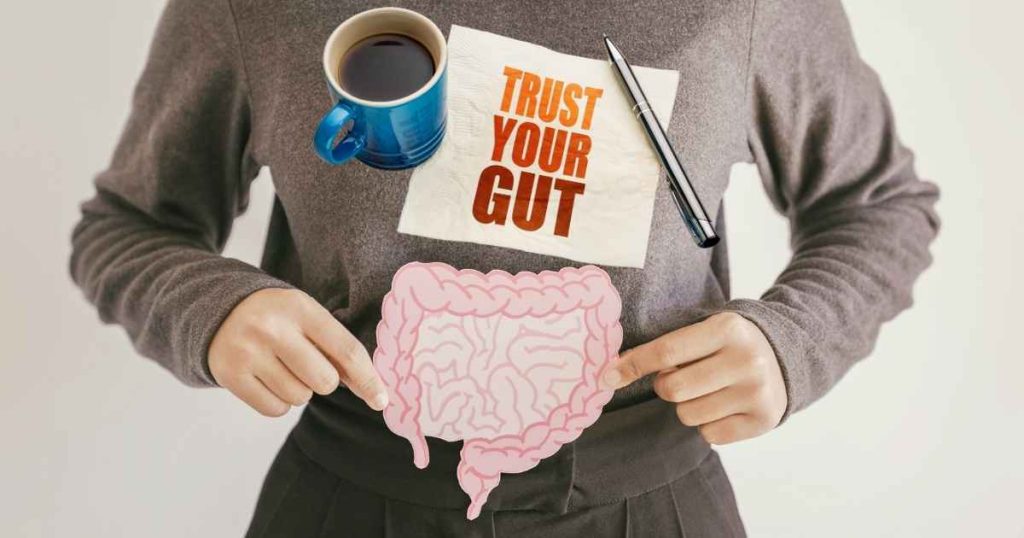
Your gut does far more than digest food. Scientists now call it your second brain because of its profound influence on your mood, mental clarity, immunity, and overall health. The intricate network of neurons lining your digestive system communicates constantly with your brain, affecting everything from your emotions to your immune response. Understanding this powerful connection can transform your approach to health and wellness. This comprehensive guide explains why your gut deserves the title of second brain and provides practical, natural strategies to optimize your gut health for better physical and mental wellbeing.
Understanding the Gut-Brain Connection
The gut-brain axis represents a bidirectional communication system between your digestive system and your brain. This connection involves multiple pathways including the vagus nerve, immune system, hormones, and the millions of bacteria living in your gut. Your gut contains approximately 100 million neurons, more than your spinal cord or peripheral nervous system. This extensive neural network, called the enteric nervous system, operates independently while maintaining constant communication with your brain.
The vagus nerve serves as the primary information highway between your gut and brain. It transmits signals in both directions, allowing your gut to influence your brain and vice versa. This explains why stress affects your digestion and why digestive issues can impact your mood. Your gut produces approximately 90 percent of your body’s serotonin, the neurotransmitter responsible for mood regulation, happiness, and wellbeing. This remarkable fact demonstrates how profoundly your gut influences your mental state. Additionally, your gut manufactures about 50 percent of your dopamine, the neurotransmitter associated with motivation and reward. These neurotransmitters don’t just stay in your gut but influence your entire body and brain function.
The Gut Microbiome: Your Internal Ecosystem
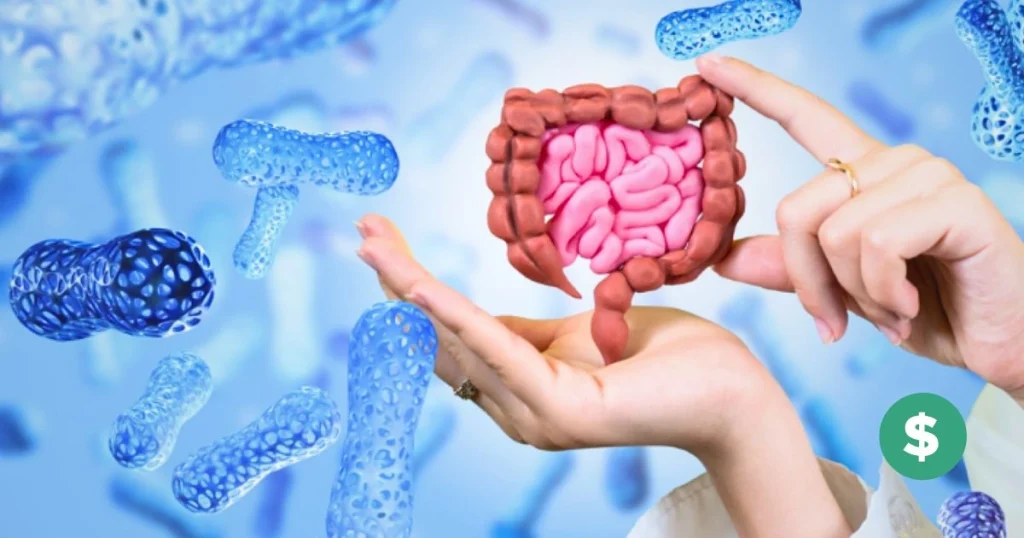
Your gut microbiome consists of trillions of microorganisms including bacteria, viruses, fungi, and other microbes living primarily in your large intestine. These microorganisms outnumber your human cells, with approximately 100 trillion microbes calling your gut home. This diverse ecosystem weighs about 2-3 pounds and contains thousands of different species. The composition of your microbiome is as unique as your fingerprint, influenced by genetics, diet, lifestyle, medications, and environment.
These microorganisms perform crucial functions far beyond digestion. They produce vitamins including B vitamins and vitamin K, synthesize amino acids, regulate immune function, protect against harmful pathogens, and produce neurotransmitters that affect brain function. Your gut bacteria also break down complex fibers that your body cannot digest alone, creating beneficial compounds called short-chain fatty acids. These fatty acids reduce inflammation, strengthen your gut barrier, and provide energy to your intestinal cells. A balanced, diverse microbiome protects your health while an imbalanced one contributes to numerous health problems including digestive issues, mood disorders, obesity, diabetes, and autoimmune conditions.
How Your Gut Influences Your Brain and Mood
The connection between gut health and mental health is profound and increasingly recognized by medical research. Your gut bacteria produce neurotransmitters and neuroactive compounds that directly influence brain function. These include serotonin, dopamine, GABA, and acetylcholine. When your gut microbiome is balanced, it supports optimal neurotransmitter production. When dysbiosis occurs, meaning bacterial imbalance, neurotransmitter production becomes disrupted, potentially contributing to anxiety, depression, and cognitive issues.
Your gut bacteria also regulate inflammation throughout your body including your brain. Chronic inflammation contributes to depression, anxiety, and cognitive decline. A healthy microbiome produces anti-inflammatory compounds that protect brain health. Conversely, an unhealthy microbiome generates inflammatory molecules that can cross the blood-brain barrier and damage brain tissue. Studies show that people with depression and anxiety often have different gut bacteria compositions compared to mentally healthy individuals. Improving gut health through diet and lifestyle changes has been shown to reduce symptoms of anxiety and depression in multiple research studies. This emerging field of nutritional psychiatry recognizes food as medicine for mental health.
Signs of an Unhealthy Gut
Recognizing signs of poor gut health allows you to take corrective action before problems become serious. Digestive issues represent the most obvious symptoms including frequent bloating, gas, constipation, diarrhea, or heartburn. While occasional digestive discomfort is normal, persistent symptoms indicate gut imbalance requiring attention. Food intolerances that develop suddenly often signal gut problems, as a damaged gut lining allows partially digested food particles to enter your bloodstream, triggering immune responses.
Unexplained fatigue can result from poor gut health because your gut bacteria influence nutrient absorption and energy production. If your gut cannot properly absorb nutrients, you may feel tired despite adequate sleep and nutrition. Skin problems including acne, eczema, or rosacea frequently stem from gut inflammation and dysbiosis. Your skin often reflects your internal health, and skin issues that resist topical treatment may require addressing gut health. Mood changes including increased anxiety, depression, or irritability can indicate gut-brain axis dysfunction. Frequent infections suggest weakened immunity, as approximately 70 percent of your immune system resides in your gut. Unintentional weight changes, sugar cravings, and sleep disturbances also commonly accompany gut health issues.
Natural Foods That Support Gut Health
Probiotic-Rich Fermented Foods
Fermented foods contain live beneficial bacteria that colonize your gut and support microbiome diversity. These foods have been consumed for thousands of years across cultures for their health-promoting properties. Regular consumption of fermented foods significantly improves gut health markers and overall wellbeing.
Yogurt with live active cultures provides probiotics including Lactobacillus and Bifidobacterium species. Choose plain, unsweetened yogurt and add your own fruit to avoid excess sugar. Kefir, a fermented milk drink, contains more diverse bacterial strains than yogurt and includes beneficial yeasts. Sauerkraut, fermented cabbage, offers probiotics plus vitamin C and fiber. Choose raw, unpasteurized sauerkraut as pasteurization kills beneficial bacteria. Kimchi, Korean fermented vegetables, provides probiotics, vitamins, and beneficial compounds from garlic and ginger. Kombucha, fermented tea, delivers probiotics and antioxidants, though watch sugar content in commercial varieties. Miso, fermented soybean paste, contains probiotics and adds savory depth to soups and dishes. Tempeh, fermented soybeans, provides probiotics plus complete protein. Start with small amounts of fermented foods and gradually increase as your gut adapts.
Prebiotic Fiber-Rich Foods
Prebiotics are specialized plant fibers that feed your beneficial gut bacteria. While probiotics add good bacteria, prebiotics nourish the bacteria already living in your gut. Both are essential for optimal gut health. Your gut bacteria ferment prebiotic fibers, producing beneficial short-chain fatty acids that reduce inflammation and strengthen your gut lining.
Garlic contains inulin and fructooligosaccharides that feed beneficial bacteria. Onions provide similar prebiotic compounds plus quercetin, an anti-inflammatory antioxidant. Leeks, asparagus, and Jerusalem artichokes are excellent inulin sources. Bananas, especially slightly green ones, contain resistant starch that acts as a prebiotic. Oats provide beta-glucan fiber that supports beneficial bacteria and reduces cholesterol. Apples contain pectin, a prebiotic fiber that also helps remove toxins. Flaxseeds offer both prebiotic fiber and anti-inflammatory omega-3 fatty acids. Chicory root has the highest inulin content of any food. Dandelion greens provide prebiotic fiber plus vitamins and minerals. Aim for 25-35 grams of total fiber daily from varied sources to support diverse beneficial bacteria.
Polyphenol-Rich Foods
Polyphenols are plant compounds with powerful antioxidant and anti-inflammatory properties. Your gut bacteria metabolize polyphenols into beneficial compounds that protect both gut and brain health. Consuming polyphenol-rich foods supports beneficial bacteria while inhibiting harmful species.
Berries including blueberries, strawberries, and blackberries contain anthocyanins that reduce inflammation and support cognitive function. Dark chocolate with at least 70 percent cocoa provides flavonoids that benefit gut bacteria and mood. Green tea delivers catechins that promote beneficial bacteria growth. Extra virgin olive oil contains oleocanthal, which reduces inflammation throughout your body. Red wine in moderation provides resveratrol, though grape juice offers similar benefits without alcohol. Nuts, especially walnuts and almonds, provide polyphenols plus healthy fats and fiber. Coffee contains chlorogenic acids that support gut health and liver function. Colorful vegetables like red cabbage, artichokes, and spinach deliver diverse polyphenols. Consume a rainbow of plant foods to maximize polyphenol variety and gut health benefits.
Lifestyle Habits for Optimal Gut Health
Stress Management and the Gut
Chronic stress severely damages gut health through multiple mechanisms. Stress hormones alter gut motility, increase intestinal permeability, change bacterial composition, and reduce beneficial bacteria. The gut-brain axis means stress affects your gut directly while gut problems increase stress, creating a vicious cycle.
Implement daily stress management techniques to protect your gut. Meditation reduces stress hormones and has been shown to improve gut symptoms in multiple studies. Even 10 minutes daily provides benefits. Deep breathing activates your parasympathetic nervous system, promoting rest and digest mode essential for proper digestion. Practice diaphragmatic breathing for 5 minutes before meals. Yoga combines physical movement with breath work and meditation, offering triple benefits for gut health. Regular practice reduces inflammation and improves gut symptoms. Spending time in nature lowers cortisol levels and promotes beneficial bacteria. Aim for at least 20 minutes outdoors daily. Adequate sleep supports gut health as your microbiome follows circadian rhythms. Aim for 7-9 hours nightly on a consistent schedule. Social connections and meaningful relationships buffer stress and support overall health including gut function.
Exercise and Gut Health
Regular physical activity profoundly benefits your gut microbiome independent of diet. Exercise increases beneficial bacteria diversity, promotes the growth of bacteria that produce butyrate, reduces inflammation, and improves gut motility. Research shows athletes have more diverse gut microbiomes than sedentary individuals, with greater numbers of beneficial species.
Moderate exercise provides optimal gut benefits. Aim for at least 150 minutes of moderate activity weekly. Walking, jogging, swimming, cycling, or dancing all support gut health. High-intensity exercise can temporarily stress your gut, so balance intense workouts with moderate activity. Consistency matters more than intensity for gut health benefits. Exercise also reduces stress, improves sleep, and supports mental health, indirectly benefiting your gut through these mechanisms. Movement after meals aids digestion by stimulating gut motility. A gentle 10-15 minute walk after eating helps prevent bloating and supports healthy digestion. However, avoid intense exercise immediately after large meals, which can cause digestive discomfort.
Sleep and Gut Microbiome
Your gut bacteria follow circadian rhythms, with different species being active at different times. Disrupted sleep patterns disturb these rhythms, leading to microbiome imbalance. Poor sleep reduces beneficial bacteria, increases harmful species, and promotes inflammation. The relationship is bidirectional as gut problems also disrupt sleep quality.
Prioritize consistent sleep schedules, going to bed and waking at the same times daily including weekends. This regularity supports healthy circadian rhythms for both you and your microbiome. Create a sleep-friendly environment that is cool, dark, and quiet. Avoid screens for at least one hour before bed as blue light disrupts melatonin production. Melatonin influences gut function and microbiome composition. Avoid eating large meals within three hours of bedtime. Late-night eating disrupts circadian rhythms and promotes weight gain and metabolic dysfunction. If you need an evening snack, choose something light and easily digestible. Limit caffeine after 2 PM as it can interfere with sleep quality even if you fall asleep easily.
Natural Supplements for Gut Health
Probiotic Supplements
While food sources are ideal, probiotic supplements can help restore balance during or after antibiotic use, digestive issues, or when dietary sources are insufficient. Quality matters significantly with probiotic supplements. Look for products with multiple bacterial strains, high colony-forming units (at least 10-50 billion CFUs), and third-party testing for purity and potency.
Lactobacillus and Bifidobacterium species are the most researched and beneficial strains. Different strains provide different benefits, so multi-strain formulas often work best. Saccharomyces boulardii, a beneficial yeast, helps prevent and treat diarrhea particularly antibiotic-associated diarrhea. Choose shelf-stable probiotics or refrigerated ones stored properly. Check expiration dates as bacterial counts decrease over time. Take probiotics with food to protect bacteria from stomach acid. Start with a lower dose and gradually increase to minimize initial digestive discomfort as your gut adjusts. Give probiotics at least 4-6 weeks to show benefits. Consider rotating different probiotic formulas every few months to maximize diversity.
Digestive Enzymes
Digestive enzymes help break down food into absorbable nutrients, reducing bloating and improving nutrient absorption. Your body produces digestive enzymes naturally, but production can decrease with age, stress, or certain health conditions. Supplemental enzymes can bridge this gap.
Comprehensive enzyme formulas contain proteases for protein digestion, lipases for fat digestion, and amylases for carbohydrate digestion. Some formulas include lactase for dairy digestion, helpful for lactose-intolerant individuals. Papain from papaya and bromelain from pineapple are natural enzymes that aid protein digestion and reduce inflammation. Take digestive enzymes at the beginning of meals for maximum effectiveness. Start with one capsule per meal and adjust based on results. Digestive enzymes work best as a temporary support while you address underlying gut health through diet and lifestyle. They should not replace proper chewing, mindful eating, and natural digestive processes.
L-Glutamine for Gut Lining
L-glutamine is an amino acid that serves as primary fuel for intestinal cells. It helps maintain and repair your gut lining, reducing intestinal permeability often called leaky gut. L-glutamine supports tight junctions between intestinal cells, preventing unwanted substances from entering your bloodstream.
Typical doses range from 5-15 grams daily, though start with 5 grams and increase gradually. Take L-glutamine on an empty stomach for best absorption. Powder forms mix easily into water or smoothies. L-glutamine is particularly helpful during stressful periods, illness, or intensive exercise, all of which can damage gut lining. While generally safe, consult healthcare providers before high-dose supplementation, especially if you have liver or kidney issues. Combine L-glutamine with other gut-healing strategies for comprehensive gut repair.
Foods and Habits to Avoid
Processed Foods and Artificial Sweeteners
Highly processed foods damage gut health through multiple mechanisms. They lack fiber that feeds beneficial bacteria, contain additives that alter microbiome composition, provide empty calories that promote harmful bacteria, and often include inflammatory oils that damage gut lining. Processed foods also tend to be high in sugar, which feeds harmful bacteria and yeast while starving beneficial species.
Artificial sweeteners prove particularly problematic despite being calorie-free. Research shows artificial sweeteners alter gut bacteria composition in harmful ways, reduce beneficial bacteria diversity, promote glucose intolerance, and may increase inflammation. Common artificial sweeteners including aspartame, sucralose, and saccharin all negatively affect gut microbiome. Natural sweeteners like stevia may be better tolerated but should still be used in moderation. Choose whole, unprocessed foods whenever possible. Read ingredient labels and avoid products with long lists of unfamiliar additives. Cook at home using fresh ingredients to control exactly what enters your body.
Unnecessary Antibiotics and Medications
Antibiotics kill bacteria indiscriminately, destroying beneficial gut bacteria along with harmful pathogens. While sometimes necessary and lifesaving, antibiotics are often overprescribed for conditions they cannot treat like viral infections. A single course of broad-spectrum antibiotics can disrupt your microbiome for months or even years.
Only take antibiotics when truly necessary and prescribed by a healthcare provider. Never demand antibiotics for viral infections where they provide no benefit. If you must take antibiotics, consume probiotic-rich foods daily and consider probiotic supplements taken at opposite times from antibiotic doses. Continue probiotics for several weeks after finishing antibiotics to help restore balance. Other medications including NSAIDs, proton pump inhibitors, and metformin can also affect gut health. Never stop prescribed medications without medical guidance, but discuss gut health concerns with your healthcare provider. They may suggest protective strategies or alternative medications with fewer gut impacts.
Excessive Alcohol Consumption
Alcohol damages gut health in several ways. It increases intestinal permeability, allowing toxins and bacteria to leak into your bloodstream. It alters gut bacteria composition, reducing beneficial species while promoting harmful ones. It causes inflammation throughout your digestive tract and impairs nutrient absorption, particularly B vitamins and minerals.
Chronic heavy drinking severely damages liver and gut health. Even moderate drinking can affect sensitive individuals. If you choose to drink alcohol, limit consumption to moderate levels defined as up to one drink daily for women or two for men. Choose red wine when drinking as it contains beneficial polyphenols. Always eat food when consuming alcohol to minimize gut damage. Stay well-hydrated by drinking water between alcoholic beverages. Consider taking breaks from alcohol regularly to allow your gut to recover. Many people notice improved digestion, sleep, and energy when reducing or eliminating alcohol.
Natural Remedies for Common Gut Issues
Bloating and Gas
Bloating and gas result from various causes including eating too quickly, food intolerances, bacterial overgrowth, or consuming gas-producing foods. Natural remedies can provide significant relief while you address underlying causes.
Peppermint tea relaxes intestinal muscles, reducing cramping and gas. Drink a cup after meals or when bloating occurs. Ginger stimulates digestion and reduces gas. Make fresh ginger tea or chew on a small piece of fresh ginger. Fennel seeds have been used for centuries to relieve bloating. Chew half a teaspoon of fennel seeds after meals or brew them into tea. Chamomile tea soothes digestive inflammation and reduces gas. Activated charcoal binds gas molecules, though use sparingly as it can interfere with nutrient absorption and medications. Practice mindful eating by chewing thoroughly, eating slowly, and avoiding talking while chewing. These simple habits significantly reduce swallowed air that causes bloating. Identify and eliminate trigger foods through an elimination diet. Common culprits include beans, cruciferous vegetables, dairy, and high-FODMAP foods.
Constipation
Chronic constipation affects quality of life and allows toxins to accumulate in your colon. Natural approaches effectively restore regular bowel movements without the dependency issues of laxatives.
Increase fiber intake gradually to 25-35 grams daily from whole food sources. Sudden fiber increases can worsen symptoms, so add fiber slowly over several weeks. Drink at least 8 glasses of water daily as fiber needs water to work effectively. Prunes contain sorbitol, a natural laxative, plus fiber. Eat 3-5 prunes daily or drink prune juice. Flaxseeds provide both soluble and insoluble fiber plus beneficial omega-3s. Grind 1-2 tablespoons daily and mix into food. Magnesium citrate draws water into intestines, softening stool. Take 200-400mg before bed. Exercise regularly as physical activity stimulates intestinal contractions. Establish a consistent bathroom routine, allowing adequate time without rushing. The morning after breakfast is ideal as digestive reflexes are most active. Never ignore the urge to go as this worsens constipation over time.
Diarrhea
Acute diarrhea usually resolves on its own but can cause dehydration and nutrient loss. Chronic diarrhea requires medical evaluation but natural remedies can provide symptomatic relief.
Stay extremely well-hydrated as diarrhea causes significant fluid and electrolyte loss. Drink water, herbal tea, and electrolyte solutions. Avoid sugary drinks that can worsen diarrhea. Follow the BRAT diet initially: bananas, rice, applesauce, and toast. These bland, binding foods are easy to digest. Chamomile tea soothes intestinal inflammation. Drink several cups daily during acute episodes. Probiotic supplements, particularly Saccharomyces boulardii, help restore balance and reduce diarrhea duration. Avoid dairy, caffeine, fatty foods, and high-fiber foods during acute diarrhea as they can worsen symptoms. Gradually reintroduce normal foods as symptoms improve. If diarrhea persists beyond a few days, contains blood, or accompanies fever, seek medical attention as these symptoms may indicate serious conditions requiring treatment.
Creating Your Gut-Healing Protocol
Healing your gut requires a comprehensive approach addressing diet, lifestyle, stress, and targeted supplements. Start with foundational changes before adding complexity. Begin by eliminating processed foods, artificial sweeteners, and excess sugar. These dietary changes alone often produce significant improvements within weeks.
Add fermented foods daily, starting with small amounts and gradually increasing. Choose 2-3 different fermented foods for variety. Increase prebiotic fiber intake through whole food sources. Focus on diversity, eating 30 different plant foods weekly to maximize bacterial diversity. Implement stress management practices daily, even just 10 minutes of meditation or deep breathing. Prioritize sleep by maintaining consistent schedules and creating sleep-friendly environments. Exercise moderately most days of the week for at least 30 minutes. Consider targeted supplements like probiotics, digestive enzymes, or L-glutamine based on your specific needs. Keep a food and symptom journal to identify triggers and track progress. Be patient as gut healing takes time, typically several months for significant improvement. Consistency matters more than perfection. Small daily actions compound into major health improvements over time.
The Gut-Skin Connection
Your skin often reflects your gut health, with the gut-skin axis representing another important connection. Inflammation originating in your gut can manifest as skin problems including acne, eczema, psoriasis, and rosacea. When your gut lining becomes permeable, toxins and partially digested food particles enter your bloodstream, triggering immune responses that can affect skin health.
Many people with chronic skin conditions experience improvement when addressing gut health. Eliminating inflammatory foods, healing gut lining, and restoring beneficial bacteria often clears skin issues that resisted topical treatments. Your gut bacteria also influence skin through hormone regulation, vitamin synthesis, and immune modulation. Beneficial bacteria produce vitamins like biotin that support skin health. They regulate systemic inflammation that affects skin appearance. If you have persistent skin problems, consider gut health as a potential underlying cause. Work with healthcare providers to address both simultaneously for best results.
Gut Health and Weight Management
Your gut microbiome significantly influences weight regulation and metabolism. Different bacterial compositions affect how efficiently you extract calories from food, how you store fat, how you regulate appetite hormones, and how you respond to different macronutrients. Overweight and lean individuals typically have different microbiome compositions.
Beneficial bacteria produce short-chain fatty acids that improve insulin sensitivity and reduce fat storage. They also produce hormones that regulate appetite and satiety. An imbalanced microbiome can increase hunger, reduce satiety, promote fat storage, and decrease energy expenditure. Improving gut health often facilitates weight loss even without conscious calorie restriction. People report reduced cravings, better appetite control, and easier weight management after optimizing gut health. Focus on gut-healing strategies rather than restrictive dieting. Sustainable weight management comes from metabolic health, which depends heavily on gut health. Crash diets and severe restriction harm gut bacteria, ultimately making weight management harder long-term.
Gut Health Through Different Life Stages
Your microbiome changes throughout life, requiring different support at different stages. Infants receive their initial microbiome during birth and through breastfeeding. Vaginal birth and exclusive breastfeeding provide the best start for infant microbiomes. Children develop diverse microbiomes through playing outdoors, exposure to pets, and varied diets. Limiting unnecessary antibiotics during childhood protects developing microbiomes.
Adults maintain relatively stable microbiomes that reflect their diet and lifestyle patterns. Stress, poor diet, and medications can disrupt adult microbiomes, requiring conscious effort to maintain balance. Older adults often experience decreased microbiome diversity and beneficial bacteria. This contributes to age-related health decline including weakened immunity, increased inflammation, and cognitive decline. Older adults benefit particularly from fermented foods, prebiotic fibers, and probiotic supplements. Maintaining gut health becomes increasingly important with age for preserving overall health and quality of life. Whatever your age, prioritizing gut health provides benefits for current and future wellbeing.
Testing Your Gut Health
Various tests can assess gut health and microbiome composition. Comprehensive stool tests analyze bacterial composition, diversity, inflammatory markers, digestive function, and potential infections. These tests provide detailed information about your microbiome though interpretation requires expertise. At-home microbiome tests have become popular but vary in quality and clinical utility.
Food sensitivity tests can identify foods triggering immune responses, though elimination diets often work as well without cost. SIBO breath tests detect small intestinal bacterial overgrowth, a common cause of digestive symptoms. Organic acids tests assess metabolic byproducts that indicate microbiome function. While testing can provide valuable insights, you don’t need expensive tests to improve gut health. Start with dietary and lifestyle changes first. Most people experience significant improvements without testing. Consider testing if symptoms persist despite comprehensive gut-healing efforts or if you want detailed information to guide personalized interventions. Work with qualified healthcare practitioners to interpret results and develop appropriate treatment plans.
When to Seek Professional Help
While natural approaches help most digestive issues, certain symptoms require professional medical evaluation. Seek immediate attention for severe abdominal pain, blood in stool, black tarry stools, persistent vomiting, or signs of dehydration. These symptoms may indicate serious conditions needing urgent treatment.
Consult healthcare providers for chronic symptoms lasting beyond a few weeks despite dietary and lifestyle changes. Unintentional weight loss, persistent diarrhea, chronic constipation, or worsening symptoms all warrant medical evaluation. New digestive symptoms after age 50 should be evaluated to rule out serious conditions. Family history of inflammatory bowel disease, celiac disease, or colon cancer increases your need for professional monitoring. Work with functional medicine practitioners, gastroenterologists, or registered dietitians specializing in gut health for personalized guidance. They can order appropriate tests, identify underlying conditions, and develop comprehensive treatment plans combining natural approaches with medical interventions when necessary.
Final Thoughts
Understanding why your gut is called your second brain reveals the profound importance of digestive health for overall wellbeing. The gut-brain connection influences your mood, cognitive function, immune health, weight management, and disease risk. Your gut microbiome represents a complex ecosystem that requires proper care and feeding to function optimally.
Natural approaches to gut health work with your body’s inherent wisdom rather than suppressing symptoms with medications. Fermented foods, prebiotic fibers, stress management, quality sleep, and regular exercise form the foundation of gut health. These simple strategies provide profound benefits when implemented consistently over time.
Remember that healing takes time and patience. Your gut didn’t become imbalanced overnight and won’t heal overnight either. Trust the process and commit to consistent healthy choices. Listen to your body’s signals and adjust your approach based on how you feel. Your gut health affects every aspect of your life from physical energy to mental clarity to emotional stability. Investing in gut health pays dividends across all areas of wellbeing. Start today with small, manageable changes and build momentum over time. Your second brain will thank you with improved health, vitality, and quality of life for years to come.
















 English