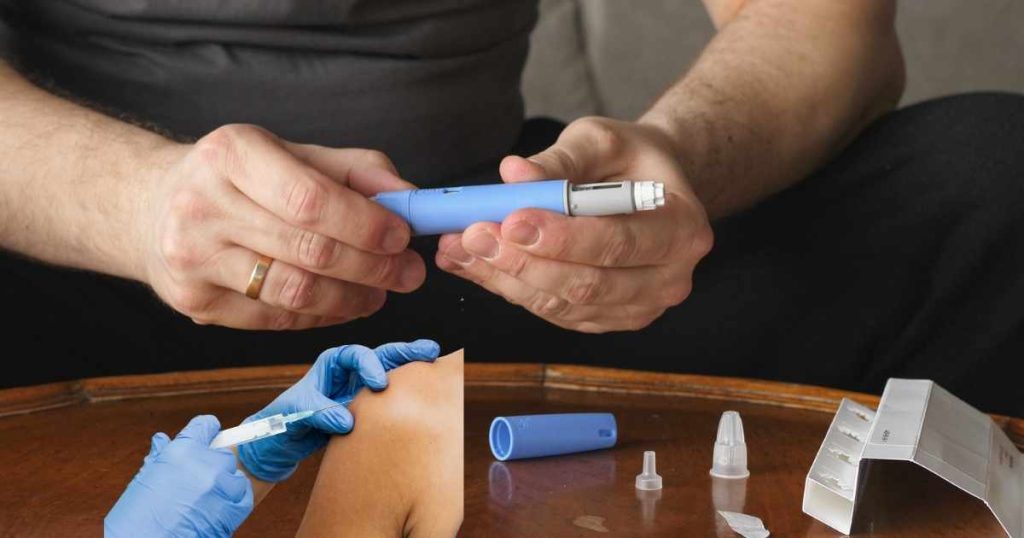
Ozempic has revolutionized weight loss and metabolic health management, but its high cost, limited availability, and prescription requirements leave many seeking accessible alternatives. Several over-the-counter supplements work through similar mechanisms to support blood sugar control, appetite suppression, and weight management naturally. Understanding which natural alternatives have scientific backing, how they compare to Ozempic in effectiveness and safety, what clinical dosages actually work, and realistic expectations helps you make informed decisions. This comprehensive guide examines the most promising Ozempic alternatives available without prescription, cutting through miracle pill marketing to reveal evidence-based options for sustainable metabolic health and weight management.
Understanding How Ozempic Works
The GLP-1 Mechanism Behind Ozempic’s Effectiveness
Ozempic contains semaglutide, a GLP-1 receptor agonist that mimics glucagon-like peptide-1, a hormone your intestines naturally produce when you eat. GLP-1 triggers multiple beneficial effects including stimulating insulin release when blood sugar rises, suppressing glucagon secretion that raises blood sugar, slowing gastric emptying so food stays in your stomach longer, and sending satiety signals to your brain reducing appetite and food cravings.
Natural GLP-1 breaks down within minutes, limiting its effectiveness. Ozempic is engineered to resist breakdown, remaining active for days rather than minutes. This extended action allows once-weekly dosing while providing continuous blood sugar control and appetite suppression. The result is dramatic weight loss averaging 15-20 percent of body weight over 68 weeks in clinical trials.
Ozempic’s effectiveness comes from simultaneously addressing multiple pathways affecting weight and metabolic health. Most weight loss supplements target only one mechanism, explaining why Ozempic produces superior results. However, combining natural supplements targeting different pathways can create synergistic effects approaching Ozempic’s comprehensive approach.
Why People Seek Natural Alternatives
Ozempic’s monthly cost exceeds 900 dollars without insurance, making it financially prohibitive for many. Insurance coverage varies dramatically, with many plans refusing coverage for weight loss despite approving it for diabetes. Even with insurance, copays can reach several hundred dollars monthly. This expense makes Ozempic unsustainable long-term for most people.
Supply shortages plague Ozempic and similar medications, creating access issues even for those willing to pay. Severe side effects including nausea, vomiting, and gastrointestinal distress affect many users, sometimes severely enough to discontinue use. Concerns about long-term safety, thyroid cancer warnings, and dependency drive others toward natural options.
Natural alternatives offer accessibility without prescriptions, lower costs, gentler side effect profiles, and no dependency concerns. While less powerful than Ozempic, over-the-counter options provide meaningful metabolic health support and weight management benefits for people unable or unwilling to use prescription medications.
Berberine: Nature’s Metabolic Health Powerhouse
How Berberine Supports Blood Sugar and Weight Loss
Berberine is a yellow compound extracted from several plants including goldenseal, barberry, and Oregon grape. This alkaloid has been used in traditional Chinese and Ayurvedic medicine for thousands of years. Modern research reveals berberine activates AMPK, an enzyme regulating metabolism, insulin sensitivity, and fat storage.
AMPK activation mimics some effects of exercise and calorie restriction on metabolic health. Berberine improves insulin sensitivity, helping cells absorb glucose more efficiently. It reduces glucose production in the liver, lowering fasting blood sugar. Berberine also slows carbohydrate breakdown in the intestines, preventing blood sugar spikes after meals.
Multiple studies demonstrate berberine’s effectiveness for blood sugar support. A meta-analysis of 14 studies found berberine as effective as metformin, a common diabetes medication, for improving blood sugar control. Weight loss effects appear more modest, with studies showing 2-5 pound losses over 12 weeks, but berberine’s primary value lies in metabolic health improvement rather than dramatic weight reduction.
Clinical Dosages and Proper Usage
Effective berberine dosing ranges from 900-1,500 mg daily, divided into two or three doses taken with meals. Studies showing metabolic benefits typically use 500 mg three times daily before meals. This divided dosing is crucial because berberine has a short half-life, remaining active only a few hours.
Take berberine 30 minutes before meals to maximize blood sugar control during digestion. Starting with lower doses like 500 mg daily and gradually increasing over two weeks minimizes digestive side effects. Allow at least 8-12 weeks for full metabolic effects to develop, as berberine works gradually rather than producing immediate results.
Quality matters significantly with berberine supplements. Look for products standardized to 97 percent or higher berberine content. Third-party testing by NSF or USP verifies label accuracy. Cheap berberine products often contain lower concentrations or poor absorption forms, reducing effectiveness.
Safety Profile and Potential Side Effects
Berberine is remarkably safe with thousands of years of traditional use and extensive modern research. The most common side effects are gastrointestinal including cramping, diarrhea, gas, and constipation. These effects are usually mild and diminish with continued use. Taking berberine with meals and starting with lower doses reduces digestive issues.
Berberine lowers blood sugar, so people taking diabetes medications must monitor glucose carefully and may need dose adjustments under medical supervision. Berberine can interact with several medications by affecting liver enzymes that metabolize drugs. Always consult healthcare providers before adding berberine if you take prescription medications.
Pregnant and breastfeeding women should avoid berberine due to limited safety data in these populations. People with very low blood pressure should use caution as berberine may lower blood pressure further. Despite these precautions, berberine is extremely safe for most healthy adults when used at recommended doses.
Glucomannan: Natural Appetite Control and Blood Sugar Support
Understanding Glucomannan’s Weight Loss Mechanism
Glucomannan is a water-soluble dietary fiber extracted from the konjac plant root. This viscous fiber expands dramatically when mixed with water, absorbing up to 50 times its weight in liquid. When consumed before meals, glucomannan creates physical fullness in the stomach, reducing appetite and calorie intake.
Beyond appetite suppression, glucomannan slows gastric emptying similarly to Ozempic, though through different mechanisms. Food stays in your stomach longer, prolonging satiety between meals. Glucomannan also slows nutrient absorption in the intestines, moderating blood sugar and insulin spikes after eating.
Clinical studies demonstrate glucomannan’s effectiveness for weight loss and metabolic health. A meta-analysis of randomized trials found glucomannan supplementation produced modest but significant weight loss averaging 1.5-2 pounds over 8 weeks. More importantly, glucomannan improves cholesterol levels and blood sugar control even without dramatic weight loss.
Proper Dosing for Maximum Effectiveness
Effective glucomannan doses range from 3-4 grams daily, divided before meals. Take 1 gram with a large glass of water 30-60 minutes before each main meal. The water is crucial because glucomannan must expand in your stomach to work. Without adequate fluid, glucomannan can cause choking or intestinal blockages.
Never take glucomannan in tablet or capsule form without immediately drinking 8-16 ounces of water. Some people prefer glucomannan powder mixed into water or other beverages, ensuring adequate hydration. The expanded gel must reach your stomach before solidifying, which requires sufficient liquid.
Consistency matters with glucomannan. Taking it regularly before meals provides ongoing appetite control and blood sugar moderation. Sporadic use produces inconsistent results. Combine glucomannan with reduced-calorie diets for optimal weight loss, as the supplement creates fullness but does not override caloric excess.
Safety Considerations and Precautions
Glucomannan is extremely safe when used correctly with adequate water. The primary risk involves choking or esophageal obstruction if glucomannan expands before reaching the stomach. Always take glucomannan with large amounts of water and never immediately before lying down.
People with swallowing difficulties, esophageal narrowing, or other digestive tract obstructions should avoid glucomannan. The fiber can also interfere with medication absorption, so take medications at least one hour before or four hours after glucomannan to ensure proper absorption.
Glucomannan may cause mild digestive side effects including bloating, gas, and loose stools as your body adjusts to increased fiber. These effects usually resolve within a week. Start with smaller doses and increase gradually to minimize digestive discomfort. When used properly, glucomannan is one of the safest weight loss supplements available.
Additional Evidence-Based Natural Alternatives
Alpha-Lipoic Acid for Metabolic Health Support
Alpha-lipoic acid is a powerful antioxidant your body produces naturally in small amounts. Supplementation provides much higher levels that improve insulin sensitivity and support blood sugar control. ALA helps glucose enter cells more efficiently, mimicking insulin’s action without being insulin itself.
Studies show alpha-lipoic acid supplementation at 600-1,200 mg daily improves blood sugar control in people with type 2 diabetes or prediabetes. Weight loss effects are modest, typically 2-3 pounds over several months, but metabolic improvements can be substantial. ALA also provides neuroprotective benefits, potentially helping with diabetic neuropathy.
Take alpha-lipoic acid on an empty stomach for best absorption, typically 30 minutes before meals. Effective doses range from 300-600 mg twice daily. ALA is very safe with minimal side effects beyond occasional mild digestive upset or skin rash. It may lower blood sugar, so diabetics should monitor glucose carefully when adding ALA.
Chromium Picolinate for Blood Sugar Balance
Chromium is an essential mineral that enhances insulin function. Many people have marginal chromium deficiency, particularly those eating highly processed diets. Chromium picolinate, the most absorbable supplemental form, improves insulin sensitivity and may reduce carbohydrate cravings.
Research on chromium for weight loss shows mixed results, but blood sugar benefits appear more consistent. Studies using 200-1,000 mcg daily find improved glucose tolerance and reduced hemoglobin A1C in people with insulin resistance or diabetes. Weight loss effects are minimal, averaging 1-2 pounds if any.
Chromium picolinate is very safe at doses up to 1,000 mcg daily. Side effects are rare and mild. Take 200-400 mcg with meals for optimal absorption. Chromium works best for people with actual deficiency or insulin resistance rather than those with normal chromium status and healthy metabolic function.
Fiber Supplements for Appetite and Blood Sugar Control
Beyond glucomannan, other fiber supplements support weight management and metabolic health. Psyllium husk, inulin, and acacia fiber all create fullness, slow digestion, and moderate blood sugar responses. These fibers feed beneficial gut bacteria, improving overall digestive health alongside weight management.
Psyllium husk at 5-10 grams daily before meals reduces appetite and improves cholesterol. Inulin at 10-20 grams daily supports beneficial bacteria and may reduce calorie absorption. Like glucomannan, all fiber supplements require adequate water intake. Increase fiber gradually to avoid digestive discomfort.
Fiber supplements work best combined with whole food fiber from vegetables, fruits, legumes, and whole grains. Total daily fiber intake of 30-40 grams from all sources provides optimal benefits. Supplements fill gaps when whole food intake falls short rather than replacing dietary fiber entirely.
Comparing Prescription Ozempic vs. Natural Supplements
Effectiveness: Setting Realistic Expectations
Ozempic produces dramatic weight loss averaging 15-20 percent of body weight over 68 weeks in clinical trials. A 200-pound person might lose 30-40 pounds. Natural supplements produce much more modest results, typically 5-10 pounds over several months when combined with diet and exercise. This represents roughly 2-5 percent body weight loss.
However, natural supplements offer meaningful metabolic health improvements beyond weight loss. Berberine reduces hemoglobin A1C comparably to metformin. Fiber supplements improve cholesterol and blood sugar control. These metabolic benefits provide health value even when weight loss is modest.
Natural alternatives work best for people needing mild to moderate support rather than those requiring aggressive intervention. Someone with prediabetes or metabolic syndrome may achieve excellent results with berberine and lifestyle changes. Someone with severe obesity and type 2 diabetes likely needs pharmaceutical intervention for adequate improvement.
Cost Comparison: Prescription vs. Over the Counter
Ozempic costs exceed 900 dollars monthly without insurance coverage. With insurance, copays vary from 25 dollars to several hundred dollars depending on your plan. Annual costs reach 10,000-11,000 dollars or more. These expenses continue indefinitely, as discontinuing Ozempic typically results in weight regain.
Natural alternatives cost dramatically less. Quality berberine supplements run 20-40 dollars monthly. Glucomannan costs 15-25 dollars monthly. Alpha-lipoic acid ranges from 15-30 dollars monthly. Combining multiple supplements totals 50-100 dollars monthly, still a fraction of Ozempic’s cost.
Over one year, Ozempic costs 10,000-plus dollars while comprehensive natural supplement regimens cost 600-1,200 dollars. The 10-fold cost difference makes natural alternatives accessible to people who cannot afford prescription medications. For those with insurance covering Ozempic, cost may favor prescription options, but supply issues and side effects still drive many toward natural approaches.
Side Effect Profiles: Safety Considerations
Ozempic commonly causes significant gastrointestinal side effects including nausea, vomiting, diarrhea, constipation, and abdominal pain. These effects are severe enough to cause discontinuation in some users. Ozempic carries a black box warning about thyroid tumors based on animal studies. Long-term safety data remains limited.
Natural supplements generally cause much milder side effects. Berberine may cause digestive upset that usually resolves with continued use. Glucomannan is extremely safe when taken with adequate water. Alpha-lipoic acid rarely causes side effects. Most people tolerate natural alternatives far better than Ozempic.
However, natural does not mean risk-free. All supplements can interact with medications and may not suit everyone. The key difference is that natural supplement side effects tend to be milder, more manageable, and less likely to require medical intervention compared to prescription medications.
Accessibility and Convenience
Ozempic requires prescriptions, doctor visits, and often prior authorization battles with insurance. Supply shortages make obtaining medications difficult even with valid prescriptions. You need regular medical monitoring and cannot easily adjust doses without physician approval.
Natural supplements are available over the counter from pharmacies, health food stores, and online retailers. No prescriptions, doctor visits, or insurance approvals are needed. You can start, stop, or adjust doses independently, though medical consultation is wise. Supplements remain consistently available without shortage concerns.
This accessibility makes natural alternatives practical for people without health insurance, those in areas with limited medical access, or anyone preferring autonomy over their health decisions. The convenience factor significantly favors over-the-counter options.
The Danger of Miracle Pill Marketing
Recognizing Unrealistic Claims and Scams
The weight loss supplement industry is plagued by deceptive marketing making impossible promises. Products claiming you can lose 30 pounds in 30 days, eat unlimited food while losing weight, or achieve results without any lifestyle changes are almost certainly scams. No supplement, natural or pharmaceutical, produces dramatic weight loss without dietary changes and increased activity.
Beware of products marketed as natural Ozempic or plant-based semaglutide. These phrases are meaningless marketing terms. No natural supplement works identically to prescription Ozempic. Companies using such language exploit consumer confusion to sell inferior or dangerous products at inflated prices.
Red flags include before-and-after photos that look manipulated or stolen from other sources, celebrity endorsements without genuine product use, free trial offers with hidden recurring charges, and limited time only pressure tactics. Legitimate supplement companies do not need deceptive marketing because their products produce real, if modest, results.
The Critical Importance of Clinical Dosages
Many supplements contain active ingredients at doses far below amounts used in clinical studies. A product containing 100 mg berberine when studies use 1,500 mg daily will not work, yet companies market it as containing berberine without disclosing inadequate dosing. This practice wastes money while producing no results.
Always check supplement facts panels for actual ingredient amounts, not just whether ingredients are present. Compare doses to clinical research amounts. Quality products disclose all ingredient quantities transparently. Proprietary blends hiding individual amounts are red flags suggesting ineffective dosing.
Kitchen sink formulas containing dozens of ingredients rarely provide effective doses of any single component. You are better served taking fewer ingredients at proven doses than many ingredients at homeopathic amounts. Focus on products with 3-5 well-researched ingredients at clinical dosages rather than 20-plus ingredient lists.
Understanding Supplement Quality and Testing
The supplement industry is poorly regulated, with manufacturers responsible for their own quality control. Products claiming to contain specific ingredients sometimes contain none, different amounts than labeled, or dangerous contaminants. Third-party testing by organizations like NSF International, USP, or ConsumerLab provides crucial verification.
Look for products with third-party certification seals on labels. These indicate independent laboratories tested the products and verified label accuracy and purity. While certification costs more, it ensures you get what you pay for. Cheap supplements from unknown brands frequently fail to match label claims.
Research companies before purchasing. Established supplement manufacturers with good reputations, transparent practices, and money-back guarantees are more trustworthy than fly-by-night operations with no verifiable information. Check for FDA warning letters, which indicate companies selling dangerous or illegally marketed products.
Creating an Effective Natural Supplement Stack
Combining multiple supplements targeting different pathways produces better results than single ingredients alone. A comprehensive stack might include berberine for metabolic health and blood sugar support, glucomannan for appetite control, alpha-lipoic acid for additional insulin sensitivity, and chromium for blood sugar balance. This multi-faceted approach mimics Ozempic’s comprehensive effects.
Start supplements one at a time, waiting one to two weeks between additions. This approach identifies which supplements cause side effects if problems occur. Take berberine with meals, glucomannan before meals with water, and alpha-lipoic acid on an empty stomach. Proper timing optimizes effectiveness and minimizes digestive issues.
Track your results objectively through weekly weigh-ins, monthly body measurements, photos, and glucose monitoring if appropriate. Allow at least 12 weeks before judging supplement effectiveness, as natural approaches work gradually. Combine supplementation with reduced-calorie diets emphasizing whole foods, regular physical activity, adequate sleep, and stress management for optimal metabolic health and weight management results.
When to Consider Prescription Options Instead
Natural supplements work best for people with mild to moderate metabolic concerns. If you have type 2 diabetes with hemoglobin A1C above 8 percent, severe obesity with BMI over 40, or multiple obesity-related complications, pharmaceutical intervention may be medically necessary. Natural alternatives cannot always provide adequate support for serious health conditions.
Consult healthcare providers if natural approaches produce insufficient results after 3-6 months of consistent use. Your doctor can assess whether prescription medications like Ozempic, metformin, or other options would better serve your health needs. Sometimes combining lower-dose prescriptions with natural supplements provides optimal balance of effectiveness and tolerability.
Never use natural supplements as replacements for prescribed medications without medical supervision. If currently taking prescription medications for diabetes or metabolic conditions, discuss adding natural supplements with your doctor. Some combinations work synergistically, but others may cause problems requiring dose adjustments or monitoring.
Final Thoughts
Natural alternatives to Ozempic offer accessible, affordable options for supporting metabolic health, blood sugar control, and weight management. Berberine provides powerful metabolic benefits comparable to some prescription medications. Glucomannan delivers appetite control and blood sugar moderation through natural fiber. Alpha-lipoic acid, chromium, and other supplements add complementary support.
While natural supplements cannot match Ozempic’s dramatic weight loss effects, they provide meaningful benefits at fractions of the cost with gentler side effect profiles. For people with mild to moderate metabolic concerns, borderline blood sugar issues, or those seeking gradual sustainable improvements, evidence-based natural alternatives represent excellent choices.
Success requires choosing quality products at clinical dosages, avoiding miracle pill marketing, combining multiple complementary supplements, and maintaining realistic expectations. Natural approaches work best alongside healthy lifestyle habits including nutritious diets, regular exercise, adequate sleep, and stress management. These comprehensive strategies support optimal metabolic health and sustainable weight management without the costs, side effects, and accessibility challenges of prescription medications.




















 English