Facebook offers powerful opportunities for generating passive income through its massive user base of over 3 billion monthly active users. While truly passive income requires upfront work and ongoing maintenance, Facebook provides multiple avenues to create income streams that eventually require minimal daily effort. Understanding which methods work best, how to set them up correctly, what effort is required, and realistic earnings expectations allows you to build sustainable Facebook-based income. This comprehensive guide walks you through proven strategies for creating passive income using Facebook, from initial setup through scaling and automation.
Understanding Passive Income and Realistic Expectations
What Passive Income Actually Means
Passive income is money earned with minimal ongoing active effort after initial setup. However, truly passive income rarely exists. Most passive income streams require significant upfront work, regular maintenance, occasional updates, and ongoing monitoring. The goal is creating systems that generate income without trading your time directly for money once established.
Facebook passive income typically requires 3-6 months of active building before becoming semi-passive. You will need to create content, build audiences, establish systems, and prove concepts before automation becomes possible. Even then, successful Facebook income streams need weekly or monthly attention to maintain performance and adapt to platform changes.
Understanding this reality prevents frustration and unrealistic expectations. Facebook income can become relatively passive compared to traditional jobs, but it is not completely hands-off. Those promising completely automated Facebook income with zero ongoing work are misleading you. Sustainable passive income requires initial effort, smart systems, and consistent maintenance.
How Much Can You Realistically Earn?
Facebook income varies tremendously based on your niche, audience size, engagement rates, monetization methods, and consistency. Beginners might earn 50-200 dollars monthly in their first 6-12 months. Intermediate users with established audiences can generate 500-2,000 dollars monthly. Advanced marketers with large followings and multiple income streams earn 5,000-20,000 dollars or more monthly.
These ranges represent realistic expectations for people who work consistently and strategically. Outliers exist earning far more or far less. Your results depend on niche selection, content quality, audience building speed, monetization effectiveness, and time invested. Most people will not get rich quickly from Facebook, but many can build meaningful supplemental or even full-time income over 1-3 years.
Avoid anyone promising specific earnings like earn 10,000 dollars monthly in 30 days. These claims are almost always scams or extremely rare exceptions presented as typical results. Focus on building solid foundations and growing steadily rather than chasing unrealistic promises.
Choosing Your Facebook Passive Income Method
Facebook Page Monetization Through Ad Breaks
Ad Breaks allow you to earn money from ads shown during your video content, similar to YouTube monetization. This method works well for creators who produce video content regularly and can build engaged audiences. Facebook pays based on ad views, with earnings varying by niche, audience location, and engagement rates.
To qualify for Ad Breaks, your page needs 10,000 followers, 600,000 total minutes viewed in the last 60 days, and at least five active videos. You must also comply with Facebook monetization policies and community standards. These requirements mean significant upfront work before earning anything.
Earnings from Ad Breaks typically range from 1-5 dollars per 1,000 views depending on your niche and audience. Entertainment, finance, and business content often earns more than general content. Build a content library that continues generating views over time, creating ongoing passive income from older videos alongside new content.
Affiliate Marketing Through Facebook
Affiliate marketing involves promoting other companies’ products and earning commissions on sales. This method offers unlimited earning potential and works across niches. You can promote physical products, digital courses, software subscriptions, or services, earning anywhere from 5-50 percent commissions per sale.
Create a Facebook page or group focused on a specific niche like fitness, cooking, parenting, technology, or personal finance. Build an engaged audience interested in your niche topic. Share valuable content regularly while strategically promoting relevant affiliate products that genuinely help your audience. Use authentic reviews and recommendations rather than constant sales pitches.
Join affiliate programs through networks like Amazon Associates, ShareASale, ClickBank, or individual company programs. Disclose affiliate relationships to maintain trust and comply with regulations. Track which products convert best and focus on those. Affiliate marketing becomes more passive as you build a content library and loyal audience that trusts your recommendations.
Selling Digital Products
Digital products like ebooks, courses, templates, printables, or stock photos offer high profit margins since you create once and sell repeatedly. This method provides excellent passive income potential once products are created and sales systems are established.
Identify problems your niche audience faces and create digital solutions. A fitness page might sell workout plans or meal prep templates. A productivity page could offer planning printables. A photography page might sell presets or editing tutorials. The key is solving real problems your audience will pay to solve.
Use Facebook to build awareness and drive traffic to your sales pages. Create valuable free content that demonstrates your expertise and naturally leads to paid product interest. Set up automated sales funnels using Facebook ads or organic posts directing people to landing pages. Once systems are working, sales happen automatically while you sleep.
Facebook Marketplace Arbitrage
Marketplace arbitrage involves buying products cheaply and reselling them for profit. While this requires more ongoing effort than other methods, you can systematize processes to make it relatively passive. This works well for people who enjoy finding deals and have storage space.
Source products from clearance sales, thrift stores, estate sales, or wholesale suppliers. List them on Facebook Marketplace with good photos and descriptions. Focus on items with consistent demand like furniture, electronics, collectibles, or seasonal items. Build reputation through positive reviews to increase sales velocity.
Make this more passive by focusing on evergreen products that sell consistently rather than constantly sourcing new inventory. Create templates for listings to speed up the process. Eventually, consider hiring virtual assistants to handle customer communications and meet-ups if volume justifies the expense.
Building and Selling Facebook Groups or Pages
Growing Facebook pages or groups to sell them can generate significant one-time passive income. This method requires patience and consistency but can result in sales ranging from hundreds to tens of thousands of dollars depending on size and engagement.
Choose trending or evergreen niches with commercial value. Build the page or group by consistently posting valuable content, engaging with members, and growing followers organically or through paid promotion. Focus on engagement metrics, not just follower counts, as buyers value active audiences.
Once your page or group reaches substantial size, typically 10,000 plus engaged followers, you can sell it through marketplaces like Flippa, Empire Flippers, or directly to interested buyers. While this creates a one-time payment rather than recurring passive income, you can repeat the process by building multiple assets over time.
Setting Up Your Facebook Presence for Success
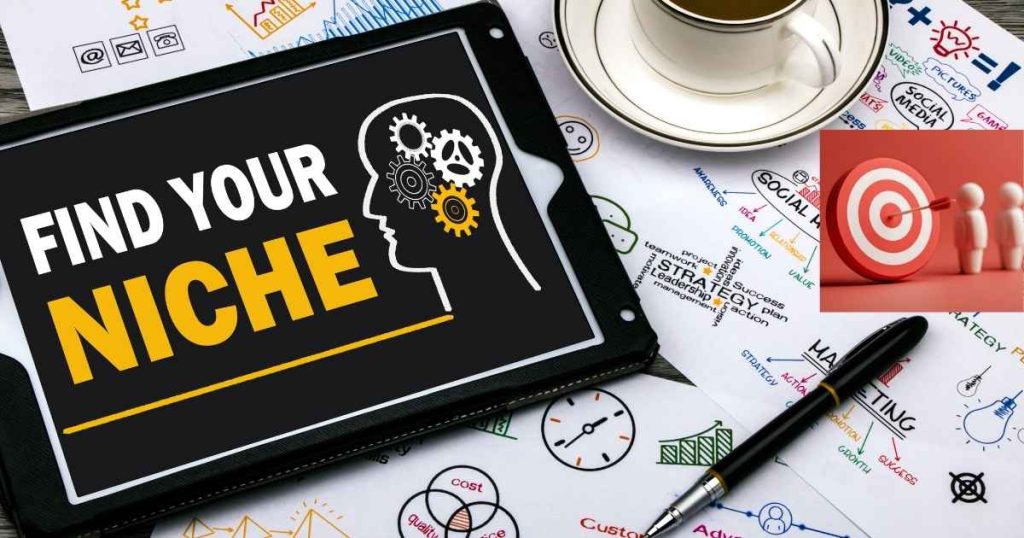
Choosing Your Niche Strategically
Niche selection determines your success potential. Choose niches that balance your interests, market demand, and monetization opportunities. You need genuine interest to maintain consistency, but passion alone does not pay bills if no one wants to buy.
Research niches by examining existing successful Facebook pages. Look for topics with engaged communities, consistent posting, and clear monetization paths. Profitable niches include health and fitness, personal finance, parenting, hobbies like gardening or cooking, technology, and personal development.
Avoid oversaturated niches where competing requires massive budgets unless you have unique angles. Also avoid ultra-narrow niches with tiny audiences. The sweet spot is niches with substantial audiences but room for new voices offering fresh perspectives or better execution.
Creating an Optimized Facebook Page or Group
Your Facebook page or group serves as your income-generating asset. Set it up professionally from the start. Choose a clear, memorable name reflecting your niche. Create a compelling about section explaining what value you provide. Use high-quality profile and cover photos that look professional and relevant.
For pages, complete all information sections including website links, contact information, and category. Enable features like reviews, messaging, and call-to-action buttons. For groups, write clear rules, set privacy settings appropriately, and organize with featured posts or guides.
Consistency in branding across your page elements creates professionalism that builds trust. People are more likely to engage with and buy from pages that look established and credible rather than amateur or abandoned accounts.
Understanding Facebook Algorithm and Engagement
Facebook’s algorithm determines what content gets shown to users. It prioritizes content generating meaningful interactions including comments, shares, and longer viewing times. Understanding this helps you create content that reaches more people organically without paid promotion.
Post content that sparks conversations rather than just collecting likes. Ask questions, share controversial (but appropriate) opinions, and create content people want to share with friends. Videos typically get more reach than static posts, especially videos people watch for longer periods.
Engage authentically with your audience by responding to comments, asking for feedback, and acknowledging contributions. The algorithm rewards pages that build communities rather than just broadcasting messages. Higher engagement means more organic reach, which reduces reliance on paid advertising.
Creating Content That Drives Passive Income
Developing a Content Strategy
Successful passive income requires strategic content planning rather than random posting. Map out content themes that serve both audience value and monetization goals. Balance educational content, entertainment, inspirational posts, and promotional content in ratios that keep audiences engaged without feeling constantly sold to.
Follow the 80-20 rule where 80 percent of content provides pure value without sales intent while 20 percent includes promotional elements. This maintains trust and engagement while still driving income. Plan content calendars monthly, batching creation to work more efficiently.
Create evergreen content that remains relevant for months or years rather than only timely posts. Evergreen content continues driving traffic and engagement long after posting, contributing to passive income. Mix evergreen posts with timely content addressing current trends or seasons.
Video Content for Maximum Engagement
Video content dominates Facebook engagement and is essential for Ad Breaks monetization. Create videos ranging from 1-10 minutes addressing topics your audience cares about. How-to videos, product reviews, educational content, and entertaining stories all perform well.
You do not need expensive equipment to start. Smartphones produce adequate video quality. Focus on good lighting, clear audio, and engaging presentation rather than professional production. Add captions since many people watch without sound. Create attention-grabbing thumbnails and opening seconds to stop scrolling.
Batch record multiple videos in single sessions to build content libraries. This efficiency allows you to maintain consistent posting schedules while minimizing time spent on creation. As your videos accumulate, older content continues generating views and income passively.
Written Posts and Engagement Content
Written posts remain valuable for sparking discussions and building community. Share personal stories, tips, questions, or curated content from other sources with commentary. Posts that encourage comments and shares reach more people organically.
Use formatting to make posts scannable with line breaks, emojis for visual interest, and clear calls-to-action. Ask specific questions rather than vague ones to prompt responses. Create fill-in-the-blank posts or polls that require minimal effort to engage with.
Repurpose written content across platforms. Turn blog posts into Facebook posts, tweets into discussion starters, or Instagram captions into page updates. This efficiency maximizes content value while maintaining consistent presence.
Growing Your Audience Effectively
Organic Growth Strategies
Organic growth takes time but builds engaged audiences more likely to convert. Post consistently, ideally daily or at minimum 3-5 times weekly. Consistency trains your audience to expect content and keeps you algorithmically relevant.
Engage authentically with other pages and groups in your niche by leaving thoughtful comments and sharing valuable insights. This exposes your page to relevant audiences. Join niche-specific Facebook groups and contribute genuinely without spamming your page.
Collaborate with similar-sized pages through shoutouts, guest posts, or joint live videos. Cross-promotion exposes both audiences to new content. Create shareable content like inspirational quotes, helpful infographics, or entertaining videos that followers naturally want to share.
Using Facebook Ads Strategically
Facebook ads accelerate growth when used strategically. Start with small budgets, testing different audiences, ad formats, and messages. Even 5-10 dollars daily can significantly boost page growth and content reach when targeted correctly.
Target audiences based on interests, demographics, and behaviors relevant to your niche. Use Facebook’s audience insights to understand who engages with your content organically, then create lookalike audiences. Test multiple ad variations to identify what resonates best.
Focus ads on promoting your best organic content rather than only direct sales. Build your audience through valuable content, then monetize that engaged audience. This approach creates sustainable growth rather than temporary spikes from aggressive sales ads.
Building Email Lists from Facebook
Email lists provide owned audiences independent of Facebook algorithm changes. Offer valuable free resources like ebooks, checklists, or mini-courses in exchange for email addresses. Promote these lead magnets through Facebook posts and ads.
Use landing page tools like ConvertKit, Mailchimp, or LeadPages to capture emails. Once people join your list, nurture them with valuable content and strategic promotions. Email lists allow direct communication and often convert better than Facebook posts alone.
Diversifying your audience across Facebook and email reduces risk. Platform changes, account issues, or algorithm updates cannot eliminate your entire audience when you have email access. This protection is crucial for sustainable passive income.
Monetization Implementation and Optimization
Setting Up Multiple Income Streams
Diversify income sources to maximize earnings and reduce risk. Combine Ad Breaks with affiliate marketing and digital product sales. This multi-stream approach means if one method underperforms, others maintain income.
Start with one method until it generates consistent income, then add others. Trying to do everything simultaneously often leads to mediocre results across all areas. Master one monetization method, systematize it, then expand.
Track each income stream separately to understand what works best for your audience and niche. Double down on top performers while phasing out underperforming methods. This optimization increases overall passive income over time.
Creating Sales Funnels
Sales funnels guide audiences from awareness through purchase. A simple funnel might offer free valuable content on Facebook, capture emails through a lead magnet, nurture subscribers with email sequences, then present offers. This systematic approach converts better than sporadic promotions.
Map your customer journey from first Facebook interaction to purchase. Identify where people drop off and optimize those points. Test different lead magnets, email sequences, and offers to improve conversion rates.
Automated funnels work 24/7 once set up. People discover your Facebook content, sign up for your lead magnet, receive automated emails, and purchase without requiring your direct involvement. This automation is key to passive income.
Tracking and Analytics
Facebook Insights provides data on reach, engagement, follower growth, and video performance. Review analytics weekly to understand what content resonates and what falls flat. Double down on successful content types while adjusting or eliminating poor performers.
Track conversion metrics beyond Facebook analytics. Use tools like Google Analytics to monitor landing page visits and conversions. Set up tracking pixels to measure Facebook ad performance. Understanding your complete funnel performance allows optimization for better passive income.
Calculate your return on investment for paid promotion. If you spend 100 dollars on ads and generate 300 dollars in sales, that is profitable. If you spend 100 dollars and earn 50 dollars, you need adjustments. Let data guide decisions rather than assumptions.
Automation and Scaling
Using Facebook Scheduling Tools
Schedule posts in advance using Facebook Creator Studio or third-party tools like Buffer, Hootsuite, or Later. Batch create content monthly and schedule it for consistent posting without daily effort. This automation frees your time while maintaining presence.
Schedule posts for optimal times when your audience is most active. Facebook Insights shows when your followers are online. Test different posting times and track engagement to identify peak periods.
While scheduling provides consistency, do not fully automate engagement. Continue responding to comments and messages personally to maintain authentic community connections. Automation handles posting, but genuine interaction builds loyalty.
Outsourcing and Delegation
As income grows, consider outsourcing tasks to virtual assistants or freelancers. Hire content creators, video editors, or community managers to handle time-consuming work. This allows you to focus on strategy and growth while others handle execution.
Start by outsourcing repetitive tasks like scheduling posts, responding to basic messages, or editing videos. Platforms like Fiverr, Upwork, or OnlineJobs.ph offer freelancers at various price points. Clearly define roles and provide detailed instructions for consistent quality.
Calculate whether outsourcing makes financial sense. If hiring a virtual assistant for 200 dollars monthly frees 20 hours of your time, which you use to generate an additional 500 dollars in income, that is worthwhile. Outsourcing that costs more than it generates is unsustainable.
Avoiding Common Pitfalls and Mistakes
Many beginners quit before seeing results. Building Facebook passive income takes 6-12 months minimum. Do not expect overnight success or get discouraged by slow initial progress. Consistency over months and years creates sustainable income.
Avoid violating Facebook policies. Review community standards, monetization policies, and advertising guidelines. Violations can result in page deletion, ad account bans, or payment holds. Build your business on solid ethical foundations.
Do not buy followers or engagement. Fake audiences do not convert to income and harm your account standing. Focus on genuine growth even if slower. Real engagement from real people generates actual income.
Avoid over-promoting at the expense of value. Audiences disengage from pages that constantly sell without providing genuine help. Maintain the value-first mindset that builds trust and long-term income.
Legal and Tax Considerations
Treat your Facebook income as a legitimate business. Register appropriately based on your location and income level. Keep accurate records of earnings and expenses for tax purposes. Consult with accountants or tax professionals to ensure compliance.
Understand disclosure requirements for affiliate marketing and sponsored content. The FTC requires clear disclosure when you earn from recommendations. Include disclaimers on affiliate posts to maintain legal compliance and audience trust.
Consider liability insurance if selling products or services. Protect yourself legally with proper business structure. These foundations prevent future problems as your income grows.
Final Thoughts
Creating passive income through Facebook requires strategic planning, consistent execution, and patience. Choose monetization methods aligned with your strengths and audience. Build valuable content libraries that generate ongoing engagement and income. Grow your audience through organic strategies and smart paid promotion. Implement systematic funnels that convert followers into customers automatically.
Remember that passive income is not completely hands-free. Expect to invest significant upfront effort and ongoing maintenance. Most successful Facebook income earners work consistently for 6-18 months before achieving truly passive results. Those who persist through initial slow growth often build substantial income streams that eventually require minimal daily attention.
Start with one monetization method, prove it works, then expand. Track your results, optimize based on data, and scale successful strategies. As income grows, reinvest in tools, outsourcing, and advertising that accelerate growth. Facebook offers genuine opportunities for passive income when approached strategically and sustained with consistency. Your success depends not on luck but on smart systems executed persistently over time.












![High CPC Keywords for Google Ads in 2025 [Ultimate List]](https://lovedreamshub.com/wp-content/uploads/2025/09/Untitled-design-9-1024x538.jpg)


 English