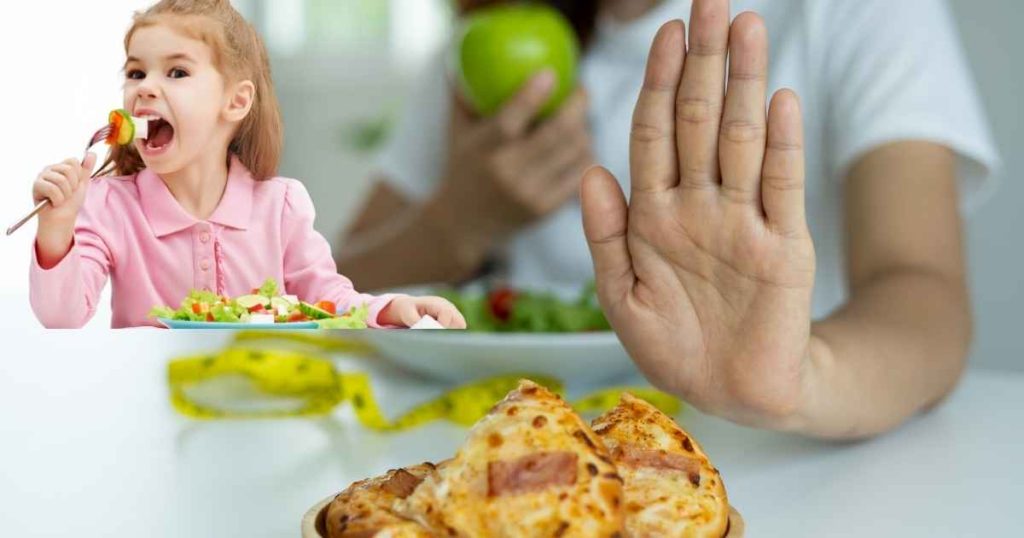
Getting children to choose healthy foods over junk food is one of the most challenging aspects of parenting. With aggressive marketing, peer pressure, and the natural appeal of sweet and salty snacks, creating healthy eating habits requires patience, strategy, and consistency. However, establishing good nutrition habits during childhood sets the foundation for lifelong health and wellbeing. This comprehensive guide provides practical, research-backed strategies to help your child develop a positive relationship with nutritious food while naturally reducing their desire for junk food, all without creating mealtime battles or food-related stress.
Understanding Why Children Prefer Junk Food
Children’s preference for junk food is not simply about being difficult or picky. Understanding the biological and environmental factors helps you address the issue effectively. Junk food is scientifically engineered to be hyperpalatable, meaning it contains combinations of sugar, salt, and fat that trigger pleasure centers in the brain more intensely than natural foods. These combinations create a preference for highly processed foods over whole foods.
Children’s taste buds are more sensitive than adults’, making them particularly responsive to sweet and salty flavors while often rejecting bitter flavors found in many vegetables. This biological tendency served our ancestors by helping them identify safe, energy-dense foods, but in today’s environment of abundant processed foods, it works against healthy eating. Additionally, aggressive marketing targets children specifically through cartoons, toys, and appealing packaging that makes junk food seem fun and desirable. Peer influence at school and social gatherings reinforces these preferences when children see friends eating particular foods. Understanding these factors helps you address the root causes rather than simply fighting symptoms.
Start with Your Own Eating Habits
Children learn primarily through observation and imitation, making parental modeling the most powerful tool for shaping eating habits. If you regularly eat junk food while expecting your child to choose vegetables, you create an inconsistent message that confuses and frustrates them. Children notice what you actually do far more than what you say. They observe your genuine reactions to different foods, your eating patterns, and your relationship with food.
Make visible changes to your own eating habits before expecting changes from your child. Stock your kitchen with healthy options and minimize junk food purchases. Eat vegetables enthusiastically at meals rather than forcing yourself to choke them down. Show genuine enjoyment of healthy foods through your expressions and comments. Avoid using food as reward or comfort for yourself, as children adopt these emotional eating patterns. When you do eat treats, do so mindfully and without guilt, modeling balanced enjoyment rather than restriction and overindulgence cycles.
Include your child in your healthy eating journey. Explain that the whole family is learning to eat better together. This removes the feeling of being singled out or punished. Share your own challenges and successes, making the process collaborative rather than dictatorial. Children respond far better to family changes than to rules that apply only to them.
Creating a Healthy Food Environment
Stock Your Kitchen Strategically
The foods available in your home determine what your child can eat, making your grocery shopping the first line of defense against junk food. If unhealthy snacks aren’t in the house, children cannot eat them, eliminating constant battles over forbidden foods. This doesn’t mean never having treats, but rather being intentional about what you stock regularly versus special occasions.
Fill your refrigerator with pre-cut vegetables, fresh fruit, hummus, yogurt, cheese, and other grab-and-go healthy options. Children often choose food based on convenience, so making healthy choices the easiest choice increases consumption. Keep a fruit bowl on the counter at child height where they can help themselves. Stock whole grain crackers, nuts, and seeds for satisfying snacks. Keep healthy proteins like hard-boiled eggs, deli meat, and string cheese readily available.
Gradually reduce junk food inventory rather than eliminating everything overnight, which often triggers rebellion and sneaking. Start by not replacing junk food items when they run out. Replace chips with popcorn you make at home. Swap candy for naturally sweet dried fruit or dark chocolate. Choose whole grain versions of crackers and cereals. This gradual transition helps children adjust without feeling deprived.
Make Healthy Foods Accessible and Appealing
Presentation significantly impacts children’s food choices. The same vegetable can be rejected when served plainly but enthusiastically eaten when presented creatively. Store healthy snacks at eye level where children can see and reach them independently. Keep cut vegetables, fruit, and healthy dips in clear containers in the front of the refrigerator.
Use fun plates, colorful arrangements, and creative presentations to make healthy food appealing. Cut sandwiches into shapes with cookie cutters. Arrange vegetables to look like faces or flowers. Create rainbow fruit kabobs. Use small containers or muffin tins to create bento-style lunches with variety. These small efforts make healthy eating feel special rather than boring or punitive.
Let children choose their own plates, cups, and utensils from options you preapprove. Having favorite dinnerware makes meals more enjoyable and gives children some control over the eating experience. Involve them in setting the table and creating pleasant mealtime environments. When eating feels like a positive experience rather than a chore, children develop better relationships with food.
Positive Feeding Strategies That Work
The Division of Responsibility
The Division of Responsibility, developed by feeding expert Ellyn Satter, provides a framework that eliminates food battles while promoting healthy eating. This approach defines clear roles: parents decide what food is offered, when meals and snacks occur, and where eating happens. Children decide whether to eat and how much to eat from the foods offered.
This division respects children’s internal hunger and fullness cues while maintaining parental authority over nutrition quality. Offer balanced meals and snacks at regular times, including at least one food you know your child likes alongside new or less-preferred foods. Allow your child to choose what and how much to eat from the options provided without pressure, bribes, or rewards.
Trust that over time and multiple exposures, children will eat adequate variety and quantity when pressure is removed. This approach prevents power struggles that make children resist healthy foods. It also prevents forcing eating when not hungry or restricting when still hungry, both of which disrupt natural appetite regulation. Children who maintain connection to their hunger and fullness signals are less likely to overeat junk food when it becomes available.
Avoid Using Food as Reward or Punishment
Using food as reward or punishment creates unhealthy emotional relationships with eating that persist into adulthood. When dessert is a reward for eating vegetables, you send the message that vegetables are an unpleasant task to endure while sweets are the ultimate prize. This increases desire for sweets while making vegetables seem even less appealing.
Similarly, withholding food as punishment or forcing children to eat when they are not hungry teaches them to ignore their body’s signals. These practices contribute to emotional eating, using food for comfort rather than nourishment. Instead, use non-food rewards like extra playtime, special activities, or small privileges. Separate food from behavior management entirely.
Serve all foods, including desserts, as part of meals occasionally rather than as rewards. When dessert appears on the table alongside other foods without being earned, it becomes less special and forbidden. Children may eat smaller portions when sweets aren’t restricted because they know more opportunities will come. This neutral approach to all foods reduces both obsession with treats and rejection of healthy options.
Regular Meal and Snack Times
Establishing consistent meal and snack schedules helps children arrive at meals hungry enough to eat well but not so ravenous that they cannot make good choices. Plan three meals and two to three snacks daily at roughly the same times. This structure prevents constant grazing that diminishes appetite for nutritious meals.
Avoid letting children snack freely throughout the day, especially on empty-calorie foods that fill them up without providing nutrition. When children know when the next eating opportunity occurs, they learn to wait and arrive at meals with healthy appetites. This doesn’t mean rigidly denying a truly hungry child food, but rather having structured eating times as the norm.
Make snacks mini-meals with protein and produce rather than just crackers or cookies. Offer apple slices with peanut butter, vegetables with hummus, cheese with whole grain crackers, or yogurt with berries. These substantial snacks provide nutrition while teaching children that eating involves variety and balance. Avoid using snacks to pacify boredom or emotions, which teaches emotional eating patterns.
Making Healthy Food Fun and Engaging
Involve Children in Meal Planning and Preparation
Children eat more willingly when they participate in choosing and preparing food. Involvement creates ownership and investment in the meal outcome. Let children browse cookbooks or websites to find healthy recipes they want to try. Create a weekly meal plan together, allowing each family member to choose one dinner.
Take children grocery shopping and teach them to identify fresh, whole foods. Let them choose which vegetables to buy from acceptable options. Allow them to pick out a new fruit or vegetable to try each week. This exploration makes healthy eating an adventure rather than a chore. Teach them to read nutrition labels and understand what makes foods healthy or less healthy choices.
Assign age-appropriate kitchen tasks that give children hands-on involvement. Young children can wash vegetables, tear lettuce, or stir ingredients. Older children can measure, cut with appropriate supervision, and follow recipes. Children who help prepare meals develop pride in their creations and curiosity about ingredients. They are far more likely to taste foods they helped make.
Create Food Adventures and Games
Transform healthy eating into play through games and challenges that spark curiosity and excitement. Create a rainbow challenge where children try to eat foods of every color throughout the week. Use a chart with stickers to track colorful food consumption. Make taste-testing a game where blindfolded children guess mystery fruits or vegetables.
Host theme nights where meals explore different cuisines or food groups. Taco Tuesday can feature build-your-own tacos with lots of vegetable toppings. Mediterranean Monday might include hummus, pita, olives, and fresh vegetables. International exploration makes eating educational and fun while exposing children to diverse healthy foods.
Create fun names for healthy foods that appeal to children’s imaginations. Broccoli becomes dinosaur trees. Orange slices are smile makers. Green smoothies are superhero power drinks. These playful approaches reduce resistance and make healthy foods feel special. Avoid turning every meal into entertainment, but occasional fun helps overcome initial reluctance toward new foods.
Growing Your Own Food
Children who grow food develop pride, curiosity, and willingness to try vegetables they helped cultivate. You don’t need extensive space or gardening expertise. Start small with herbs in pots on a windowsill or cherry tomatoes in containers on a patio. Even apartment dwellers can grow sprouts or microgreens indoors.
Let children choose what to plant from easy-growing options like cherry tomatoes, snap peas, strawberries, lettuce, or carrots. Assign them responsibility for watering and caring for plants. Watch together as seeds sprout and grow, building anticipation for harvest. When children pick and eat vegetables they grew, they taste effort and accomplishment alongside nutrition.
Visit farmers markets or pick-your-own farms to connect children with food sources. Meeting farmers and picking fresh produce creates appreciation for where food comes from. Many children willing to try fresh strawberries they picked themselves would never eat ones from the grocery store. This direct connection to food builds positive associations with fresh, whole foods.
Introducing New Foods Successfully
The Multiple Exposure Approach
Research shows children often need 10-15 exposures to a new food before accepting it. Many parents give up after one or two rejections, concluding their child dislikes the food. Understanding that repeated exposure is normal and necessary prevents premature abandonment of healthy foods. Continue offering rejected foods regularly without pressure or commentary.
Serve small portions of new foods alongside familiar favorites. Never force children to eat new foods, but require they remain at the table while others eat. Allow them to explore new foods through touching, smelling, and examining before expecting tasting. Some children need to build familiarity slowly through observation before trying.
Prepare foods in different ways across exposures. A child rejecting raw carrots might love roasted carrots or carrot soup. Vary cooking methods, seasonings, and presentations. Sometimes texture rather than taste causes rejection, and different preparations solve the problem. Keep offering without pressure, trusting that acceptance will eventually occur for most foods.
Pairing and Food Bridges
Food bridges help transition children from familiar foods to new healthy options by connecting similar flavors or textures. If your child loves french fries, introduce baked sweet potato fries, then roasted sweet potato chunks, then mashed sweet potato, gradually expanding their vegetable acceptance through familiar formats.
Pair new foods with favorite dips or toppings that make them more appealing. Many children who reject plain vegetables eagerly eat them with ranch dressing, hummus, or cheese sauce. While these additions add calories, they create positive associations that eventually allow you to reduce them. The goal is getting vegetables into your child’s diet, not achieving perfect purity immediately.
Incorporate rejected vegetables into favorite dishes where they blend in. Add finely chopped vegetables to spaghetti sauce, meatballs, or smoothies. While this shouldn’t be your only vegetable strategy, it ensures nutrition while building tolerance. As children realize these foods don’t hurt them, they often become more willing to try them separately.
Handling Social Situations and Peer Pressure
Children encounter junk food at birthday parties, school events, friends’ houses, and social gatherings. Trying to control all these situations creates stress and often backfires. Instead, prepare your child to make good choices while allowing flexibility for special occasions. Rigid restriction in social settings often leads to overindulgence when opportunities arise.
Teach your child that treats are normal parts of celebrations and special events. When your home environment is healthy, occasional junk food at parties won’t derail overall nutrition. The child who never gets treats often overindulges when given opportunity, while the child who occasionally has treats in balanced context can enjoy them moderately.
Pack healthy snacks and lunches for school that your child actually enjoys rather than boring healthy foods they trade away. Include treats occasionally so your child doesn’t feel deprived compared to peers. Let your child have input on packed lunch contents within healthy parameters. Communicate with other parents for playdates about snack preferences without being rigid or judgmental.
Build your child’s confidence to make independent food choices. Discuss what makes foods healthy or unhealthy. Teach them to recognize how different foods make their bodies feel. Empower them to choose smaller portions of treats or decline foods without shaming others. These life skills serve them far better than controlling every food exposure.
Healthy Alternatives to Common Junk Foods
Better Snack Swaps
Replace common junk food snacks with healthier alternatives that still satisfy cravings. Swap potato chips for air-popped popcorn seasoned with herbs and a little butter. Trade candy for fresh or dried fruit, dark chocolate, or frozen fruit bars. Replace sugary granola bars with homemade versions using oats, nut butter, honey, and dried fruit.
Instead of cookies, offer whole grain crackers with cheese or peanut butter. Replace ice cream with frozen banana nice cream blended with cocoa powder or berries. Trade sugary cereals for whole grain options topped with fresh fruit. Swap juice boxes for infused water or milk. These swaps maintain the snack experience while dramatically improving nutrition.
Make homemade versions of favorite junk foods where you control ingredients. Bake sweet potato fries instead of buying frozen ones. Make pizza at home with whole wheat crust and vegetable toppings. Create fruit popsicles from pureed fruit. Prepare trail mix with nuts, seeds, and a small amount of dark chocolate chips. Homemade versions typically contain less sugar, salt, and unhealthy fats than commercial products.
Healthier Drinks
Sugary drinks represent one of the biggest sources of empty calories and excessive sugar in children’s diets. Soda, juice, sports drinks, and sweetened milk products provide minimal nutrition while contributing to weight gain, tooth decay, and unhealthy eating patterns. Making beverages healthier dramatically improves overall nutrition.
Establish water as the default beverage at meals and throughout the day. Make water appealing by offering it cold with ice, adding fruit slices for natural flavor, or using fun cups and straws. Milk provides important calcium and protein but limit it to reasonable amounts as too much can displace other nutritious foods.
If children drink juice, limit it to four ounces daily of 100 percent fruit juice, preferably diluted with water. Better yet, encourage whole fruit instead which provides fiber and is more satisfying. Create fruit-infused water, herbal iced tea, or smoothies with whole fruits and vegetables. Gradually reduce sweetness as children’s palates adjust to less sugar.
Teaching Food Literacy and Nutrition Education
Age-appropriate nutrition education empowers children to make informed food choices independently. Young children can learn basic concepts like fruits and vegetables help them grow strong. Use simple language about foods that give energy, build muscles, or keep them healthy.
Older children can understand more detailed nutrition information including food groups, the importance of variety, and how different nutrients serve different purposes. Teach them to read nutrition labels and ingredient lists. Explain why whole foods are generally healthier than processed foods. Discuss how advertising tries to sell unhealthy foods.
Avoid using fear or shame in nutrition education. Rather than labeling foods as bad or saying junk food will make them sick, focus on positive messages about how healthy foods help them feel energetic, strong, and able to do things they enjoy. Connect healthy eating to their values and interests like sports performance, academic focus, or physical appearance in age-appropriate ways.
Help children tune into their bodies’ signals. Ask how they feel after eating different foods. Discuss energy levels, fullness, and satisfaction. This mindful awareness helps them recognize that healthy foods make them feel better than junk food binges, creating intrinsic motivation for better choices.
Dealing with Picky Eating
Picky eating is normal for many children and usually temporary when handled appropriately. Most children go through phases of food rejection, especially between ages two and six. Understanding this developmental stage as normal rather than a permanent problem reduces parental anxiety.
Avoid labeling your child as a picky eater, which can become a self-fulfilling prophecy. Instead, acknowledge they are learning to like new foods, which takes time. Continue offering variety without pressure. Serve at least one familiar food at each meal so children have something they will eat, preventing meal-time hunger strikes.
Don’t become a short-order cook making separate meals for picky eaters. This creates unsustainable work and teaches children they can opt out of family meals. However, consider preferences when planning menus and occasionally include favorite foods. The balance between respecting preferences and requiring some flexibility is key.
If picky eating is severe, persists beyond typical developmental stages, or causes weight loss or nutritional deficiencies, consult your pediatrician. Some children have sensory processing issues or other underlying factors that need professional intervention. Most pickiness resolves with patient, pressure-free exposure over time.
Creating Positive Mealtime Environments
The atmosphere surrounding meals significantly impacts children’s eating behaviors and food relationships. Make mealtimes pleasant, relaxed occasions focused on family connection rather than food battles. Turn off televisions, put away phones and devices, and gather around the table together.
Use meals as opportunities for conversation and bonding. Talk about everyone’s day, share stories, and laugh together. When meals feel enjoyable rather than stressful, children develop positive associations with eating. Avoid using mealtimes for discipline, arguments, or stressful discussions that create negative associations.
Set reasonable expectations for mealtime behavior based on your child’s age. Young children may need to move around occasionally or finish meals quickly. Expecting perfect restaurant behavior at every home meal creates unnecessary stress. Balance structure with understanding of developmental capabilities.
Make family meals a priority as often as possible. Research consistently shows children who regularly eat family meals consume more fruits and vegetables, have better nutrition overall, perform better academically, and have lower rates of risky behaviors. Even a few family meals weekly provide significant benefits.
Managing Special Diets and Restrictions
If your child has food allergies, intolerances, or follows a specific diet for health or ethical reasons, maintaining healthy eating while avoiding junk food requires additional planning. Focus on the abundance of foods your child can eat rather than dwelling on restrictions. This positive framing prevents feeling deprived.
Find healthy alternatives that work within dietary restrictions. Many processed junk foods can be replaced with whole food options that meet dietary needs. For example, children avoiding dairy can enjoy fruit-based frozen treats instead of ice cream. Those avoiding gluten can snack on rice cakes with nut butter instead of crackers.
Teach children about their dietary needs in age-appropriate ways so they can advocate for themselves in social situations. Help them understand why they eat differently without shame or feeling abnormal. Prepare them to handle peer questions or pressure about their eating patterns confidently.
Work with healthcare providers or registered dietitians to ensure children on restricted diets receive adequate nutrition. Some dietary restrictions require careful planning to prevent deficiencies. Professional guidance ensures healthy growth and development while managing dietary limitations.
Age-Specific Strategies
Toddlers and Preschoolers
Young children thrive on routine and control. Establish consistent meal and snack times. Offer choices between healthy options to give them autonomy without unlimited freedom. Let them choose between apple or banana, carrots or cucumbers. This meets their developmental need for independence while maintaining nutritional standards.
Make food interactive through dipping, building, or arranging. Toddlers love dipping vegetables in hummus or yogurt. Let them assemble their own mini sandwiches or create faces with food. This hands-on approach engages their curiosity and makes eating fun. Keep portions small and allow seconds rather than overwhelming plates with large amounts.
School-Age Children
Elementary-age children can take more responsibility for food choices. Involve them in meal planning, grocery shopping, and preparation. Teach basic cooking skills and nutrition concepts. Give them increasing autonomy in choosing healthy snacks and portions.
Address peer influence and marketing awareness. Discuss how advertisements make junk food look appealing and teach critical thinking about food marketing. Help them understand that popular doesn’t always mean healthy. Support them in making choices that align with family values even when different from peers.
Teenagers
Teenagers need independence and respect for their growing autonomy. Provide education and resources, then step back from controlling every choice. Stock healthy options and continue family meals when possible, but accept you cannot monitor everything they eat.
Connect healthy eating to their goals like athletic performance, appearance, or academic achievement. Teens respond better to how nutrition affects things they care about than to parental lectures. Teach them to prepare healthy meals and snacks independently. These life skills serve them well when they leave home.
Be aware of disordered eating signs including excessive restriction, obsessive food rules, or secretive eating. Teenagers face particular pressure about body image. Maintain open, non-judgmental communication about food and bodies. Seek professional help if you notice concerning patterns.
When to Seek Professional Help
Most feeding challenges resolve with patience and appropriate strategies. However, certain situations warrant professional intervention. Consult your pediatrician if your child fails to gain weight appropriately, loses weight, or has severe nutritional deficiencies. These may indicate underlying medical issues requiring treatment.
Seek help from feeding therapists if your child has extreme food aversions, gags or vomits frequently during meals, or eats fewer than 20 different foods. These specialists address sensory issues, oral motor difficulties, or trauma around eating. Registered dietitians can assess nutritional adequacy and provide personalized guidance for children with special dietary needs.
Mental health professionals should be consulted if you notice signs of disordered eating including obsessive food rules, extreme restriction, binge eating, or excessive exercise. Early intervention for eating disorders dramatically improves outcomes. Never dismiss concerning eating behaviors as just a phase.
Final Thoughts
Helping your child develop healthy eating habits and avoid junk food is a marathon, not a sprint. This journey requires patience, consistency, and realistic expectations. You will not see overnight transformation, and there will be setbacks along the way. The goal is gradual progress toward healthier overall patterns rather than perfect adherence to ideal nutrition.
Remember that your relationship with your child matters more than any single food choice. Avoid turning food into a battleground that damages your connection. Focus on creating positive experiences around healthy foods, modeling good behaviors, and trusting the process. Most children who grow up in environments where healthy food is normal, available, and enjoyed will develop good eating habits.
Be kind to yourself when things don’t go perfectly. Every parent struggles with feeding children in today’s environment of abundant junk food. Do your best, stay consistent with your values, and trust that the healthy habits you establish now will serve your child throughout their life. The effort you invest in teaching your child to nourish their body pays dividends in their long-term health, wellbeing, and relationship with food.
















 English