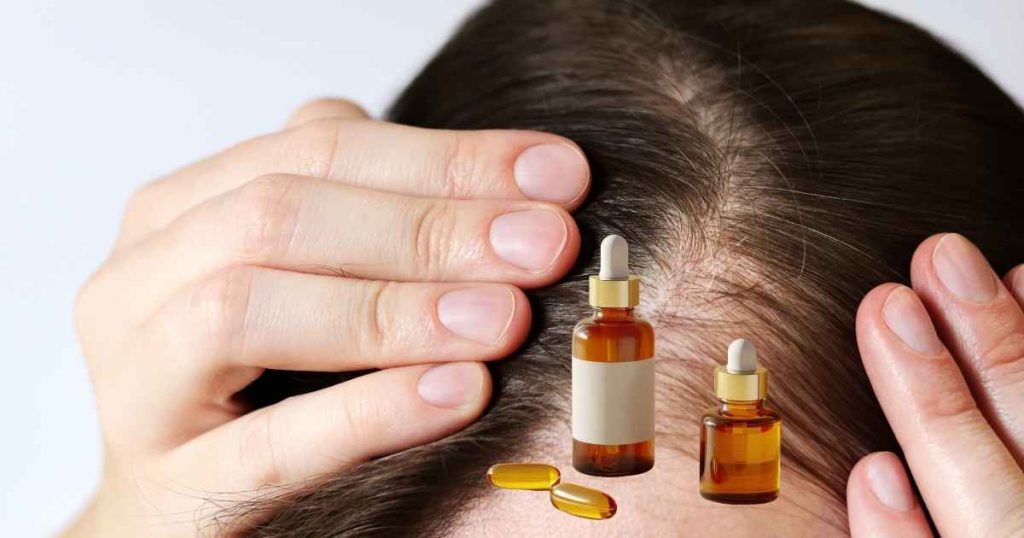
Hair loss supplements flood the market with promises of regrowth and prevention, but separating safe, effective options from potentially harmful or useless products requires knowledge and careful evaluation. While no supplement is completely risk-free for everyone, understanding which ingredients have scientific support, what dosages are both effective and safe, how to verify product quality, and what side effects to watch for allows you to make informed decisions. This comprehensive guide walks you through choosing hair loss supplements that provide genuine benefits while minimising risks, helping you support your hair health safely and effectively.
Understanding the Reality of Hair Loss Supplements
What Supplements Can and Cannot Do
Hair loss supplements work best for preventing and slowing hair loss rather than reversing advanced baldness. They are most effective when hair loss results from nutritional deficiencies, but can also provide modest benefits for genetic hair loss by supporting overall scalp health and reducing inflammation. Supplements cannot cure androgenetic alopecia or regrow hair on completely bald areas, but they may help maintain existing hair and slow progression.
The supplement industry is poorly regulated compared to pharmaceutical drugs. Products do not require FDA approval before being sold, and manufacturers are largely responsible for ensuring their own safety and efficacy. This creates a market filled with products containing ineffective ingredients, inaccurate labeling, or potentially harmful substances. Understanding this reality helps you approach supplement selection with appropriate skepticism.
No supplement is completely without potential side effects, though many are extremely safe when used appropriately. The goal is choosing supplements with the best benefit-to-risk ratio, using them at safe doses, and monitoring for any adverse reactions. Individual responses vary based on genetics, existing health conditions, medications, and other factors, so what is safe for one person may cause problems for another.
Setting Realistic Expectations
Expect subtle, gradual improvements rather than dramatic transformations. Hair growth is slow, with follicles cycling through months-long phases. Noticeable results typically require at least 3-6 months of consistent supplementation. Some supplements may reduce shedding within weeks, but actual regrowth takes much longer to become visible.
Supplements work best as part of comprehensive hair care including proper nutrition, gentle hair practices, stress management, and addressing underlying health issues. They cannot compensate for poor diet, chronic stress, or untreated medical conditions. View supplements as additions to healthy foundations rather than magic solutions that work in isolation.
Safest and Most Effective Supplements for Hair Loss
Biotin: The Hair Vitamin
Biotin, also called vitamin B7, supports keratin production, the protein that forms hair structure. True biotin deficiency is rare but causes hair loss, brittle hair, and skin problems. Supplementation clearly benefits those with deficiency and may improve hair quality in people with adequate levels, though evidence is limited.
Biotin is extremely safe with virtually no side effects at typical doses. It is water-soluble, meaning your body excretes excess rather than storing it to toxic levels. Doses ranging from 2,500 to 10,000 micrograms daily are common and well-tolerated. Some people take even higher doses without problems, though benefits beyond 10,000 mcg are questionable.
The main caution with biotin involves laboratory test interference. High-dose biotin can cause falsely high or low results on thyroid tests, troponin tests for heart attacks, and other assays. Inform your doctor about biotin supplementation before blood work and stop taking it 48-72 hours before testing. Despite this interaction, biotin itself is one of the safest hair supplements available.
Vitamin D: The Sunshine Vitamin for Hair
Vitamin D receptors exist in hair follicles, and deficiency associates with various forms of hair loss including alopecia areata and female pattern baldness. Supplementing vitamin D when levels are low may reduce shedding and support regrowth. However, benefits appear limited to those with actual deficiency.
Test your vitamin D levels before supplementing to determine if you need it and what dose is appropriate. If deficient, 1,000-2,000 IU of vitamin D3 daily is generally safe and effective for most adults. Some people require higher doses under medical supervision. Retest after 2-3 months to ensure levels have improved.
Vitamin D is fat-soluble, so excess accumulates rather than being excreted. Very high doses can cause toxicity with symptoms including nausea, vomiting, weakness, and kidney problems. Stick to recommended doses and work with your healthcare provider if you need higher amounts. When used appropriately, vitamin D supplementation is very safe with minimal side effects.
Iron: Essential for Women’s Hair Health
Iron deficiency is among the most common nutritional causes of hair loss, particularly in women. Iron delivers oxygen to hair follicles and supports their high metabolic demands. Even subclinical iron deficiency without anemia can impair hair growth. Supplementation when deficient often produces dramatic improvements.
Never supplement iron without testing ferritin levels first, as excess iron is toxic and can damage organs. If testing reveals low ferritin, typical doses range from 65-100 mg elemental iron daily. Take iron with vitamin C to enhance absorption and on an empty stomach if tolerated. Avoid taking with calcium, tea, or coffee which inhibit absorption.
Iron supplements commonly cause digestive side effects including nausea, constipation, stomach pain, and dark stools. These effects are annoying but not dangerous. Starting with lower doses and gradually increasing can minimize discomfort. Chelated forms like iron bisglycinate often cause fewer digestive issues than ferrous sulfate. Retest ferritin after 3 months and adjust dosing based on levels.
Zinc: Balancing Immunity and Hair Growth
Zinc deficiency causes hair loss and impairs follicle function. Zinc also modulates immune responses and may help with inflammatory hair loss conditions. However, both too little and too much zinc cause problems, making appropriate dosing crucial.
For hair loss prevention, 15-30 mg of elemental zinc daily is generally safe and effective. Do not exceed 40 mg daily from supplements without medical supervision, as excess zinc depletes copper, impairs immune function, and can ironically cause hair loss. Take zinc with food to reduce nausea.
Zinc supplementation is quite safe within recommended doses. Side effects may include nausea, especially on an empty stomach, and a metallic taste. Long-term high doses can cause copper deficiency, so consider a supplement containing both zinc and copper in balanced ratios. As with iron, test levels before supplementing if possible to avoid unnecessary use.
Marine Collagen: Protein for Hair Structure
Collagen provides amino acids that form keratin and may improve hair thickness and growth. While research is limited, preliminary studies show promising results for hair quality improvements. Marine collagen from fish appears more effective than bovine collagen due to better absorption.
Typical doses range from 5-10 grams daily of hydrolyzed collagen peptides. Mix powder into beverages or take capsule forms. Collagen is extremely safe with virtually no side effects beyond occasional mild digestive upset. Some people report feeling uncomfortably full when taking large doses.
The main consideration with collagen is ensuring the product is tested for heavy metals and contaminants, especially with marine sources. Choose reputable brands with third-party testing. Collagen is one of the safest hair supplements available, suitable for nearly everyone including pregnant women when sourced from quality manufacturers.
Omega-3 Fatty Acids: Anti-Inflammatory Support
Omega-3 fatty acids reduce inflammation that can damage hair follicles while supporting scalp health. Studies show omega-3 supplementation may increase hair density and reduce hair loss in people with thinning hair. These essential fats provide systemic health benefits beyond hair.
Look for fish oil providing 1,000-2,000 mg combined EPA and DHA daily, or algae-based supplements for vegetarians. Take with meals to improve absorption and reduce fishy aftertaste. Store in the refrigerator to prevent oxidation.
Omega-3 supplements are very safe for most people. Potential side effects include fishy burps, mild digestive upset, and slightly increased bleeding risk at very high doses. Those taking blood thinners should consult their doctor before using omega-3 supplements. Choose products tested for mercury and other contaminants to ensure safety.
Supplements Requiring More Caution
Saw Palmetto: Natural DHT Blocker
Saw palmetto may reduce hair loss by blocking conversion of testosterone to DHT, similar to prescription finasteride but milder. Some studies show modest benefits for male pattern baldness, though results are inconsistent. Saw palmetto is generally safe but requires more caution than vitamins.
Standard doses are 320 mg daily of standardized extract. Saw palmetto can cause digestive upset, headache, and dizziness in some people. More concerning is its hormonal effects. Men may experience sexual side effects similar to but milder than finasteride, including reduced libido or erectile dysfunction, though this is uncommon.
Saw palmetto interacts with birth control pills and hormone replacement therapy by affecting hormone levels. It may increase bleeding risk when combined with blood thinners. Pregnant and breastfeeding women should avoid saw palmetto entirely. While generally safe, saw palmetto is not completely side-effect-free and requires informed decision-making.
Pumpkin Seed Oil: Potential DHT Inhibitor
Pumpkin seed oil may block DHT similarly to saw palmetto. A small study found improved hair growth in men taking pumpkin seed oil supplements. Like saw palmetto, it affects hormones but appears quite gentle with minimal side effects.
Typical doses are 400 mg daily of pumpkin seed oil extract. Side effects are rare and mild, usually limited to digestive upset. Pumpkin seed oil has fewer concerns than saw palmetto but still affects hormones mildly. Those on hormone medications should consult healthcare providers before use.
Vitamin A: Necessary but Potentially Toxic
Vitamin A supports hair follicle function and is necessary for healthy hair. However, both deficiency and excess cause hair loss, creating a narrow therapeutic window. Too much vitamin A is toxic, causing numerous serious side effects including liver damage and birth defects.
Most people get adequate vitamin A from diet, especially if eating orange and yellow vegetables, leafy greens, and animal products. Supplement vitamin A only if testing reveals deficiency. If supplementing, use no more than 5,000 IU daily, preferably as beta-carotene which converts to vitamin A as needed without toxicity risk.
Pregnant women must be especially cautious as excess vitamin A causes severe birth defects. Never exceed recommended doses, and avoid combining multiple supplements containing vitamin A. The risks of vitamin A supplementation often outweigh potential hair benefits, making it one supplement better obtained from food.
Ingredients to Avoid
Selenium: Toxic at High Doses
Selenium is essential for thyroid function which affects hair growth, and deficiency can cause hair loss. However, selenium has a very narrow safe range. The recommended daily amount is only 55 mcg, and doses above 400 mcg daily can cause toxicity including hair loss, brittle nails, digestive issues, and neurological problems.
Many hair supplements contain excessive selenium. Check labels carefully and calculate total selenium from all supplements you take. Most people get adequate selenium from food, especially Brazil nuts which are extremely high in selenium. One to two Brazil nuts daily provides sufficient selenium without supplementation. Due to its narrow safety margin, avoid selenium supplements unless deficiency is confirmed.
Proprietary Blends: Hidden Dangers
Many hair supplements hide behind proprietary blends, listing numerous ingredients under a single total dose without specifying individual amounts. This practice prevents you from knowing if ingredients are present at effective doses or just trace amounts. More importantly, you cannot identify which ingredient caused side effects or allergic reactions.
Proprietary blends often disguise ineffective formulations or excessive doses of cheap fillers. Quality supplements disclose all ingredient amounts transparently. Avoid hair supplements using proprietary blends regardless of marketing claims. You deserve to know exactly what and how much you are putting in your body.
Unproven or Dangerous Ingredients
Some hair supplements contain ingredients with no scientific evidence for hair growth or potential safety concerns. DMAE, horsetail extract in high doses, and various exotic herbs often appear without supporting research. While some may be harmless, others can cause liver problems or interact with medications.
Avoid supplements making extreme claims or containing long lists of trendy ingredients. Focus on products with a few well-researched ingredients at proper doses rather than kitchen sink formulations. If you cannot find reliable safety information about an ingredient, do not consume it. Your health is not worth risking for unproven hair growth claims.
How to Verify Supplement Quality and Safety
Third-Party Testing and Certifications
Third-party testing by independent laboratories verifies that supplements contain what labels claim and are free from contaminants. Look for certifications from NSF International, USP Verified, or ConsumerLab. These organizations test products for label accuracy, purity, and absence of harmful substances.
Products without third-party testing may contain incorrect ingredient amounts, undisclosed fillers, heavy metal contamination, or banned substances. Independent testing by ConsumerLab frequently finds supplements failing to match label claims. While certification increases costs, it provides crucial quality assurance worth paying for.
Good Manufacturing Practice (GMP) Certification
GMP certification indicates manufacturers follow quality standards for production, testing, and record-keeping. While GMP certification is required for pharmaceutical companies, it remains voluntary for supplement manufacturers. Companies that pursue GMP certification demonstrate commitment to quality and safety.
Check product labels or company websites for GMP certification. This certification alone does not guarantee effectiveness but shows the company takes quality seriously. Combined with third-party testing, GMP certification provides reasonable assurance of product safety and consistency.
Reading Labels Correctly
Supplement facts panels provide crucial information. Check serving size first, as some products require multiple capsules for the listed dose. Verify that active ingredients appear in effective amounts based on research rather than just being present in trace quantities. Ingredients are listed in descending order by weight, so beneficial ingredients should appear near the top.
Look for specific forms of ingredients rather than generic listings. For example, chelated minerals absorb better than oxide forms. Check for allergens and additives you may react to. Note all warnings about timing, food intake, health conditions, or medication interactions. Take these warnings seriously as they reflect known safety issues.
Checking Company Reputation
Research the company manufacturing the supplement. Established companies with transparent practices, good customer service, and accountability are more trustworthy than unknown brands with vague information. Check for FDA warning letters, which the agency issues to companies selling unsafe or illegally marketed products.
Read reviews from multiple independent sources, not just testimonials on company websites. Look for patterns in both positive and negative reviews. Be skeptical of products with only five-star reviews or suspiciously similar positive reviews, which may be fake. Detailed reviews discussing specific effects and side effects provide more reliable information.
Understanding Proper Dosing
More Is Not Always Better
Many people assume that if some supplement is good, more must be better. This thinking is dangerous, especially with fat-soluble vitamins and minerals. Nutrients like vitamin A, vitamin D, iron, and selenium can cause serious toxicity at high doses. Even water-soluble vitamins can cause problems in excess.
Follow recommended doses based on research unless your healthcare provider advises otherwise. Be especially careful when taking multiple supplements, as ingredients overlap and total doses accumulate. Calculate total amounts of each nutrient from all sources to avoid accidental overdose.
Starting Low and Going Slow
When starting new supplements, begin with lower doses to assess tolerance. This approach helps identify which supplement causes side effects if you are taking multiple products. Start one new supplement at a time, waiting a week or two before adding another. This systematic approach allows you to pinpoint problems.
If you experience side effects, reduce the dose or discontinue the supplement. Do not push through significant adverse reactions hoping they will resolve. While mild effects like initial digestive upset often improve, persistent or severe symptoms warrant stopping the supplement and consulting your healthcare provider.
Timing and Absorption
Take supplements at optimal times for absorption and to minimize side effects. Fat-soluble vitamins like vitamin D absorb best with meals containing fat. Iron absorbs better on an empty stomach but causes less nausea with food. B vitamins taken in the evening may interfere with sleep due to their energizing effects.
Some nutrients compete for absorption, so spacing them out improves effectiveness. Take calcium and iron at different times, as calcium inhibits iron absorption. Avoid taking zinc and copper together. Read supplement labels for specific timing recommendations based on the formulation.
Identifying and Managing Side Effects
Common Mild Side Effects
Digestive upset including nausea, stomach pain, or changes in bowel movements are the most common supplement side effects. These usually occur because supplements irritate the digestive tract or change gut bacteria. Taking supplements with food, reducing doses, or switching to different forms often resolves these issues.
Headaches can occur when starting new supplements, particularly B vitamins or iron. These often resolve within a few days as your body adjusts. Mild skin reactions or flushing may occur with niacin. These common side effects are usually not dangerous but can be annoying. Monitor whether they improve or worsen over time.
When to Stop Taking Supplements
Stop supplements immediately if you experience severe side effects including chest pain, difficulty breathing, severe headaches, extreme dizziness, or allergic reactions like hives or swelling. Seek medical attention for serious symptoms. Your health always takes priority over hair growth.
Discontinue supplements causing persistent moderate side effects that do not improve after two weeks. If you develop new symptoms coinciding with supplement use, stop and see if symptoms resolve. Hair supplements should improve your wellbeing, not cause problems. If a supplement makes you feel worse, it is not worth taking regardless of potential hair benefits.
Special Considerations and Precautions
Pregnancy and Breastfeeding
Pregnant and breastfeeding women need extra caution with supplements. Prenatal vitamins provide safe, appropriate nutrition for pregnancy and support healthy hair. Avoid additional hair supplements during pregnancy unless your obstetrician specifically recommends them.
Certain ingredients including saw palmetto, high-dose vitamin A, and various herbs can harm fetal development or pass through breast milk. Hair loss during and after pregnancy is often temporary due to hormonal changes and typically resolves without intervention. Focus on prenatal vitamins and good nutrition rather than specialized hair supplements during this time.
Medical Conditions and Medications
People with medical conditions must exercise caution with supplements. Those with kidney disease cannot safely take many supplements as damaged kidneys cannot process certain nutrients. Liver disease affects how your body metabolizes supplements. Autoimmune conditions may worsen with immune-stimulating supplements.
Many supplements interact with medications. Iron interferes with thyroid medication and certain antibiotics. Biotin affects thyroid tests. Omega-3s increase bleeding risk with blood thinners. Saw palmetto interacts with hormone medications. Always inform your healthcare provider about all supplements you take, especially before surgery or when starting new medications.
Children and Adolescents
Hair loss in children and teenagers often indicates underlying medical issues requiring professional evaluation rather than supplement treatment. Pediatric doses differ significantly from adult doses, and many supplements have not been tested for safety in children.
If your child experiences hair loss, consult a pediatrician or pediatric dermatologist before giving any supplements. They can identify causes, test for deficiencies, and recommend appropriate treatment. Never give children adult supplement doses, as this can cause toxicity.
Evaluating Whether Supplements Are Working
Give supplements adequate time to show effects before judging their effectiveness. Hair growth cycles are slow, requiring at least 3-6 months for noticeable improvements. Track progress objectively through monthly photos in consistent lighting from multiple angles. Compare photos from 3-6 months apart to assess changes.
Monitor daily shedding to see if it decreases, which often occurs before regrowth becomes visible. Notice changes in hair texture, thickness, or growth rate. Keep a journal noting which supplements you take, doses, and any changes you observe. This record helps determine what is working.
Be honest about results. If supplements provide no benefit after 6-9 months of consistent use, they may not work for you or your hair loss type. Consider consulting a dermatologist to identify the specific cause of your hair loss and discuss medical treatments if needed. Sometimes supplements alone are insufficient, and medical intervention produces better results.
Creating Your Safe Supplement Plan
Start by identifying likely deficiencies through symptoms and diet assessment. Consider testing key nutrients like ferritin, vitamin D, zinc, and B vitamins before supplementing. This targeted approach prevents unnecessary supplementation and helps track improvement objectively.
Choose 2-3 core supplements with the best safety profiles and strongest evidence, such as biotin, a multivitamin, and omega-3s. Add specific nutrients only if testing reveals deficiencies. Avoid mega-dose formulations promising quick results, as these often contain unsafe ingredient amounts.
Purchase supplements from reputable companies with third-party testing. Read labels carefully and calculate total nutrient amounts from all sources. Start supplements one at a time, monitoring for side effects. Give each supplement several months before adding more. Focus on consistency rather than constantly changing products.
Final Thoughts
Choosing the best hair loss supplements with minimal side effects requires understanding which ingredients have scientific support, using appropriate doses, verifying product quality, and monitoring your individual response. While no supplement is completely risk-free, many provide safe, gentle support for hair health when used wisely.
Focus on supplements with excellent safety profiles including biotin, vitamin D when deficient, iron if needed, marine collagen, and omega-3 fatty acids. Avoid proprietary blends, excessive doses, and unproven ingredients. Choose products from reputable companies with third-party testing and transparent labeling.
Remember that supplements work best alongside proper nutrition, gentle hair care, stress management, and overall health optimization. They cannot compensate for poor fundamentals but can provide valuable support when used as part of comprehensive hair care. Start conservatively, monitor your response, and adjust based on results and any side effects. Your hair health journey should enhance your wellbeing, not compromise it.













 English