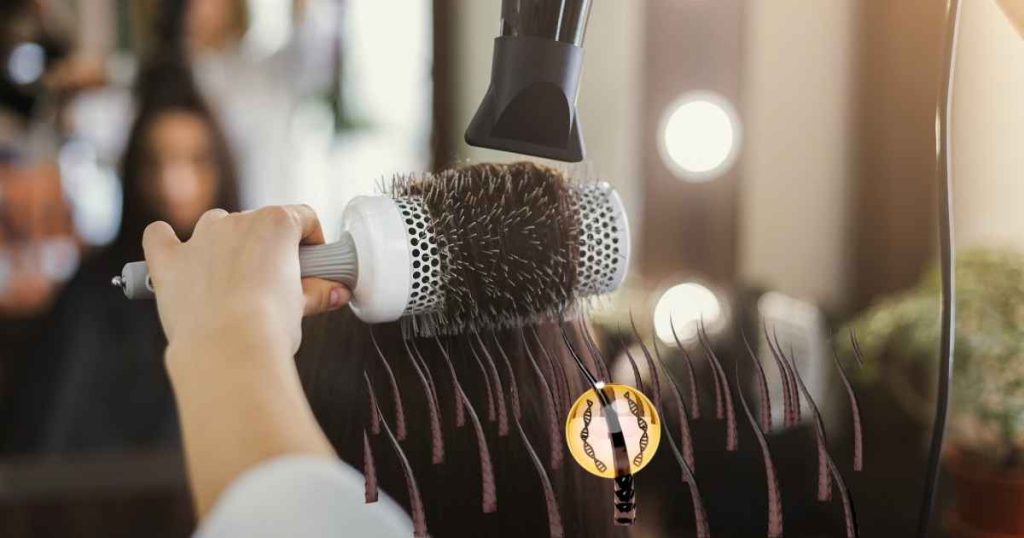
Winter can be brutal on your hair. Cold temperatures outside and dry heat indoors create the perfect storm for damaged, brittle, and lifeless locks. Your hair loses moisture rapidly during winter months, leading to breakage, split ends, frizz, and frustrating static. However, the right hair treatments can protect your strands and keep them healthy, shiny, and beautiful throughout the coldest months. This comprehensive guide will help you choose the best winter hair treatments tailored to your specific hair type and concerns.
Understanding Winter Hair Damage
Winter weather wreaks havoc on your hair in multiple ways. The cold, dry air outside strips moisture from your hair shaft, leaving it dehydrated and prone to breakage. Indoor heating systems further deplete humidity levels, creating an environment that constantly pulls moisture from your hair. This double assault of cold outdoor air and dry indoor heat creates conditions that damage even the healthiest hair.
Your hair cuticle, the protective outer layer of each strand, becomes raised and rough in dry conditions. This allows moisture to escape while making hair vulnerable to damage from friction against scarves, hats, and coat collars. Static electricity builds up because dry hair lacks the moisture needed to conduct electrical charges away. The result is that frustrating flyaway hair that refuses to stay in place. Additionally, many women use hot styling tools more frequently in winter to combat frizz, which further damages already stressed hair. Understanding these challenges helps you select treatments that address winter-specific problems.
Deep Conditioning Masks: Your Winter Hair Savior
Deep conditioning masks are essential winter hair treatments that penetrate beyond the surface to restore moisture deep within your hair shaft. Unlike regular conditioners that coat the outside of your hair, deep conditioning masks contain concentrated ingredients that repair damage from the inside out. These treatments typically contain nourishing oils, proteins, vitamins, and humectants that attract and lock moisture into your hair.
Use deep conditioning masks once or twice weekly during winter months for optimal results. Apply the mask to clean, damp hair, focusing on mid-lengths to ends where damage is most severe. Avoid applying heavy masks directly to your scalp unless you have very dry skin, as this can make roots appear greasy. Cover your hair with a shower cap and let the treatment sit for 15-30 minutes. Heat enhances penetration, so wrapping a warm towel over the shower cap intensifies the treatment. Look for masks containing ingredients like shea butter, coconut oil, argan oil, keratin, or hydrolyzed proteins. These ingredients strengthen hair while providing intense moisture that lasts for days.
Hot Oil Treatments for Maximum Moisture
Hot oil treatments have been used for centuries to restore moisture and shine to damaged hair. The warmth helps oil molecules penetrate deeper into the hair shaft while stimulating blood circulation to your scalp. This ancient beauty ritual is particularly effective during winter when hair desperately needs extra moisture. Natural oils like coconut, olive, argan, jojoba, and sweet almond oil work beautifully for hot oil treatments.
To perform a hot oil treatment at home, warm 2-4 tablespoons of your chosen oil in the microwave for 10-15 seconds until comfortably warm, not hot. Test the temperature on your wrist before applying to avoid burns. Section your hair and apply oil from roots to ends, massaging gently into your scalp. Cover with a shower cap and wrap a warm towel around your head. Leave the treatment on for 30-60 minutes, or overnight for extremely dry hair. Shampoo thoroughly afterward, potentially twice, to remove all oil residue. Coconut oil works best for deep penetration, olive oil adds shine, argan oil tames frizz, and jojoba oil closely mimics natural scalp oils. Perform hot oil treatments every 1-2 weeks during winter for soft, manageable hair.
Protein Treatments for Strength and Repair
Protein treatments rebuild damaged hair structure by filling in gaps and cracks in the hair shaft. Your hair is made primarily of keratin protein, and winter damage creates weak spots where protein has been lost. Protein treatments temporarily repair this damage, strengthening hair and reducing breakage. These treatments are especially important if you color your hair, use heat styling tools regularly, or have naturally fine or fragile hair.
However, protein treatments require careful use because too much protein can make hair stiff, brittle, and prone to breakage. Most women need protein treatments only once or twice monthly during winter. Signs you need protein include excessive stretching when hair is wet, limp texture, lack of curl definition, or hair that tangles easily. Look for treatments containing hydrolyzed keratin, silk protein, wheat protein, or collagen. Apply to clean, damp hair and follow timing instructions carefully. Never leave protein treatments on longer than recommended. Balance protein treatments with moisturizing treatments to maintain optimal hair health. The ideal ratio is typically one protein treatment for every two to three moisture treatments.
Leave-In Conditioners and Treatments
Leave-in conditioners provide continuous protection and moisture throughout the day. Unlike rinse-out treatments, leave-in products stay in your hair, creating a protective barrier against harsh winter elements. These lightweight formulations detangle, reduce frizz, add shine, and protect against environmental damage without weighing hair down or making it greasy.
Apply leave-in conditioner to damp hair after washing, focusing on ends and avoiding roots. The amount needed depends on your hair length and thickness, but generally a dime-to-quarter-sized amount suffices. Leave-in conditioners work particularly well before heat styling, as many contain heat-protective ingredients. They also help combat static electricity that plagues winter hair. Look for products containing glycerin, panthenol, silk amino acids, or lightweight oils like argan or grapeseed. Some leave-in treatments come in spray form, which distributes product evenly and works well for fine hair. Others come as creams or serums, better suited for thick or coarse hair. Reapply small amounts to dry hair throughout the day if you experience static or dryness.
Hair Oils and Serums for Shine and Protection
Hair oils and serums seal moisture into your hair while creating a protective coating against winter weather. These products smooth the hair cuticle, eliminate frizz, add brilliant shine, and prevent moisture loss. Oils and serums differ slightly in formulation, with oils being purely oil-based and serums often containing silicones or other synthetic ingredients alongside oils.
Both work effectively for winter hair protection when used correctly. Apply 1-3 drops of oil or serum to your palms, rub hands together, then smooth over damp or dry hair, concentrating on ends. Avoid applying directly to roots unless you have extremely dry scalp. Argan oil is lightweight and works for most hair types. Moroccan oil adds shine and controls frizz. Coconut oil works well for thick, coarse hair but may be too heavy for fine hair. Jojoba oil closely mimics natural sebum and suits all hair types. Silicone-based serums create instant shine and smoothness but can build up over time, requiring clarifying shampoo periodically. Use oils and serums daily during winter as the final step in your styling routine for protection against cold, wind, and static.
Scalp Treatments for Healthy Hair Growth
Healthy hair starts with a healthy scalp, yet many women neglect scalp care during winter. Cold weather causes scalp dryness, flaking, itching, and sometimes increased oil production as your scalp tries to compensate for dryness. Indoor heating exacerbates these issues. A healthy, balanced scalp creates the optimal environment for strong hair growth and prevents issues like dandruff and irritation.
Scalp treatments nourish your scalp while stimulating blood circulation that promotes healthy hair growth. Weekly scalp massages with oil improve circulation and relieve stress. Use your fingertips to massage in circular motions for 5-10 minutes before shampooing. Tea tree oil treats dandruff and itching due to its antifungal properties. Mix a few drops into your regular shampoo or carrier oil. Peppermint oil stimulates circulation and creates a refreshing, tingly sensation. Rosemary oil promotes hair growth and reduces inflammation. Exfoliating scalp scrubs remove dead skin cells and product buildup that can clog hair follicles. Use gentle scrubs with sugar or salt once weekly. Look for scalp serums containing ingredients like niacinamide, salicylic acid, or hyaluronic acid for targeted treatment of specific scalp concerns.
Professional Salon Treatments Worth Considering
Keratin Treatments
Professional keratin treatments coat your hair with a protective keratin layer that smooths frizz, adds shine, and makes hair more manageable for months. These salon treatments are particularly valuable during winter when frizz and static are constant battles. The treatment process involves applying a keratin formula, blow-drying, then sealing it with a flat iron at high heat.
Results typically last 3-6 months, making keratin treatments a worthwhile investment for winter hair care. Your hair becomes noticeably smoother, shinier, and easier to style. Blow-drying time decreases significantly, reducing heat damage from daily styling. However, keratin treatments require careful maintenance. You must use sulfate-free shampoos to preserve the treatment and wait 48-72 hours before washing hair after application. The initial cost ranges from 150 to 400 dollars depending on your location and hair length. Some formulations contain formaldehyde or release formaldehyde when heated, so ask about formaldehyde-free options if you have concerns. Despite the investment, many women find keratin treatments invaluable for managing winter hair.
Deep Conditioning Spa Treatments
Professional deep conditioning treatments at salons use higher-quality ingredients and professional-grade steamers or heating caps for superior penetration compared to at-home treatments. Stylists can customize treatments to your specific hair needs, combining different products for optimal results. These treatments often include scalp massage, multiple conditioning steps, and sometimes additional treatments like glossing or toning.
The professional environment and expertise ensure proper application and timing for maximum benefit. Many salons offer specialized winter treatments designed specifically for cold-weather hair damage. These treatments typically cost 40 to 100 dollars and provide noticeable improvement in hair texture, shine, and manageability. Consider scheduling professional deep conditioning every 4-6 weeks during winter as a complement to your at-home routine. The investment pays off in healthier, more beautiful hair that requires less daily maintenance.
Glossing and Glazing Treatments
Hair glossing and glazing treatments add incredible shine while subtly adjusting your hair color or neutralizing unwanted tones. These semi-permanent treatments coat hair with a clear or tinted formula that enhances your natural color and creates mirror-like shine. Winter weather dulls hair color and reduces natural shine, making these treatments particularly beneficial during cold months.
Glossing treatments last 4-6 weeks and can refresh color-treated hair between full coloring appointments. They also smooth the hair cuticle, reducing frizz and improving overall texture. Clear glosses work on any hair color to boost shine, while tinted versions can enhance or adjust your color. The process takes about 30-60 minutes at the salon and costs 50 to 100 dollars typically. Hair appears noticeably shinier, healthier, and more vibrant immediately after treatment. Many women schedule glossing treatments every 4-6 weeks during winter to maintain optimal shine and color vibrancy.
DIY Hair Treatment Recipes for Winter
Avocado and Honey Deep Conditioning Mask
Avocado provides healthy fats and vitamins that nourish dry winter hair, while honey acts as a humectant that attracts and retains moisture. This combination creates an intensely hydrating mask perfect for damaged, brittle winter hair. Mash one ripe avocado until smooth and creamy. Add two tablespoons of raw honey and one tablespoon of olive oil or coconut oil. Mix thoroughly until well combined.
Apply the mixture to clean, damp hair from roots to ends. Focus extra product on the driest areas, typically mid-lengths and ends. Cover your hair with a shower cap and leave the mask on for 30-45 minutes. The natural fats in avocado penetrate deeply while honey seals moisture into hair. Rinse thoroughly with lukewarm water, then shampoo and condition as usual. Use this treatment once weekly during winter for soft, manageable, moisturized hair. Store any leftover mask in the refrigerator for up to two days, though fresh batches work best.
Egg and Yogurt Protein Treatment
Eggs contain proteins that strengthen hair while yogurt adds moisture and lactic acid that gently clarifies. This DIY protein treatment costs pennies but rivals expensive salon products for effectiveness. Beat two whole eggs until frothy. Add half a cup of plain, full-fat yogurt and one tablespoon of honey. Mix until smooth and well combined.
Apply to damp hair, focusing on damaged areas but avoiding saturating your scalp. Cover with a shower cap and leave on for 20-30 minutes maximum. Do not exceed this time as too much protein can make hair brittle. Rinse with cool water first to prevent the egg from cooking, then wash with gentle shampoo. This treatment strengthens weak, damaged hair and reduces breakage. Use once or twice monthly during winter, always following with a moisturizing conditioner. If your hair feels stiff after this treatment, you may need more moisture and less protein.
Coconut Milk and Aloe Vera Hydrating Treatment
Coconut milk provides deep moisture and healthy fats while aloe vera soothes the scalp and adds lightweight hydration. This gentle treatment works for all hair types and provides relief from winter dryness without weighing hair down. Mix half a cup of coconut milk with three tablespoons of pure aloe vera gel. Add one tablespoon of honey and a few drops of lavender essential oil for added benefits and pleasant scent.
Whisk until smooth and apply to clean, damp hair from roots to ends. Massage gently into your scalp for additional scalp health benefits. Cover with a shower cap and leave on for 30-60 minutes. The treatment can be left on overnight for extremely dry hair. Shampoo and condition as normal afterward. This gentle treatment can be used 1-2 times weekly without concern about protein overload. It leaves hair soft, shiny, and manageable while soothing dry, itchy winter scalp.
Choosing Treatments by Hair Type
Fine or Thin Hair
Fine hair requires lightweight treatments that moisturize without weighing strands down. Heavy oils and thick masks can make fine hair appear limp and greasy. Choose lightweight leave-in conditioners, volumizing treatments, and protein treatments to strengthen without adding excess weight. Avoid applying treatments directly to roots, which makes fine hair appear flat.
Look for treatments containing ingredients like panthenol, silk proteins, and lightweight oils such as argan or grapeseed oil. Use deep conditioning masks sparingly, perhaps every 7-10 days rather than weekly. Focus treatments on ends where damage occurs while keeping roots clean and product-free. Spray-in treatments work particularly well for fine hair as they distribute product evenly without over-application. Protein treatments benefit fine hair but use them cautiously to avoid stiffness.
Thick or Coarse Hair
Thick, coarse hair can handle and often needs richer, heavier treatments to tame frizz and add moisture. Your hair requires more intensive hydration to penetrate the thick hair shaft and smooth the raised cuticle. Heavy butters, oils, and cream-based treatments work well for your hair type without causing greasiness.
Use deep conditioning masks 2-3 times weekly during winter for optimal moisture. Hot oil treatments with coconut, olive, or castor oil provide excellent results. Look for treatments containing shea butter, cocoa butter, or heavy oils. Leave-in conditioners should be cream-based rather than spray formulas. Apply treatments generously from roots to ends. Thick hair benefits from overnight treatments that allow maximum penetration time. Protein treatments help manage thick hair by smoothing and strengthening the hair structure.
Curly or Textured Hair
Curly and textured hair tends to be naturally drier because scalp oils struggle to travel down the curved hair shaft. Winter exacerbates this dryness, making intensive moisture treatments essential. Your hair needs both moisture and protein to maintain curl definition while preventing breakage.
Deep conditioning masks should be part of every wash day routine during winter. Co-washing between shampoos helps maintain moisture without stripping natural oils. Use the LOC method: apply leave-in conditioner, then oil, then cream to seal in maximum moisture. Look for treatments containing glycerin, aloe vera, and natural oils. Protein treatments help define curls and reduce frizz but balance them with moisture-rich treatments. Consider protective styles during winter to minimize exposure to harsh elements. Sleep on satin or silk pillowcases to prevent friction damage and moisture loss overnight.
Color-Treated Hair
Color-treated hair requires special attention during winter because chemical processing weakens hair structure and increases vulnerability to damage. Winter weather further stresses already compromised hair. Your treatments must focus on protein replacement, moisture retention, and color protection simultaneously.
Use color-safe, sulfate-free shampoos and conditioners to prevent premature color fading. Deep conditioning treatments should occur after every wash to repair chemical damage. Protein treatments are crucial for color-treated hair but use them carefully to avoid over-processing. Look for treatments specifically designed for color-treated hair containing UV filters and color-preserving ingredients. Purple or blue-tinted treatments neutralize brassiness in blonde or gray hair. Glossing treatments refresh color between appointments while adding protective shine. Minimize heat styling and always use heat protectant to prevent further damage.
Additional Winter Hair Care Tips
Treatments work best when combined with proper winter hair care practices. Lower your water temperature when washing hair, as hot water strips natural oils and causes dryness. Lukewarm water cleanses effectively while preserving moisture. Reduce washing frequency to 2-3 times weekly maximum, allowing natural oils to protect your hair. Overwashing in winter leads to excessive dryness.
Invest in a humidifier for your bedroom to add moisture to dry indoor air. This benefits both your hair and skin during winter months. Protect your hair from harsh elements by wearing silk or satin-lined hats rather than wool, which causes friction and breakage. Cover your hair with a scarf before putting on hats to prevent static. Trim split ends every 6-8 weeks to prevent damage from traveling up the hair shaft. Minimize heat styling when possible, and always use heat protectant products when you do style. Air-dry your hair partially before blow-drying to reduce heat exposure. Drink plenty of water to hydrate hair from the inside out. Proper nutrition including omega-3 fatty acids, biotin, and protein supports healthy hair growth and strength.
Creating Your Winter Hair Treatment Schedule
Consistency is crucial for achieving and maintaining healthy winter hair. Create a treatment schedule based on your hair type and specific needs. A typical winter hair care routine might include shampooing and conditioning 2-3 times weekly with a deep conditioning mask following each wash. Use a hot oil treatment once weekly, alternating with protein treatments every other week.
Apply leave-in conditioner after every wash and hair oil or serum daily to protect against environmental damage. Perform scalp treatments weekly to maintain scalp health. Consider professional salon treatments every 4-6 weeks for intensive care. Adjust this schedule based on your hair’s response. If your hair feels too soft or stretchy, add more protein treatments. If it feels dry or brittle, increase moisture treatments and decrease protein. Listen to your hair and modify your routine as needed throughout the winter season.
Common Winter Hair Mistakes to Avoid
Many women make mistakes that worsen winter hair damage despite good intentions. Avoid washing hair with hot water, which strips essential oils and causes severe dryness. Don’t skip heat protectant products when using styling tools, even if you’re in a hurry. Never go outside with wet hair during winter, as water freezes and causes breakage. Avoid over-using protein treatments, which can make hair brittle and cause more damage than benefit.
Don’t neglect your ends, which suffer the most damage and need concentrated treatment application. Avoid using the same summer hair products during winter, as seasonal changes require different formulations. Don’t wear wool hats directly on hair without a silk or satin barrier underneath. Avoid aggressive towel-drying, which causes friction damage when hair is most vulnerable. Don’t ignore signs of product buildup, which blocks moisture absorption and makes treatments less effective. Never skip trimming split ends, thinking you’re preserving length. Damaged ends will continue splitting up the hair shaft, ultimately requiring more drastic cuts.
Budget-Friendly Winter Hair Care
Effective winter hair care doesn’t require expensive products or frequent salon visits. Many budget-friendly options provide excellent results when used consistently. DIY treatments using kitchen ingredients cost pennies compared to commercial products but work just as effectively. Coconut oil, olive oil, honey, eggs, and avocados create powerful treatments for minimal cost.
Drugstore brands often contain the same active ingredients as luxury products at a fraction of the price. Read ingredient labels rather than relying on brand names or marketing claims. Generic or store-brand versions of popular products typically provide comparable results. Invest in one or two high-quality base products like a good sulfate-free shampoo and rich conditioner, then supplement with affordable treatments. Focus your budget on products that stay in your hair like leave-in conditioners and oils rather than rinse-out products. Consider alternating expensive professional treatments with DIY options to stretch your budget while maintaining results.
When to Seek Professional Help
Sometimes winter hair damage requires professional intervention beyond at-home treatments. Consult a professional stylist or trichologist if you experience excessive hair loss, persistent scalp issues like severe dandruff or inflammation, or dramatic changes in hair texture or growth patterns. These symptoms might indicate underlying health issues requiring medical attention rather than just winter damage.
Seek professional help if your hair breaks excessively despite consistent treatment, feels extremely dry regardless of moisturizing efforts, or develops severe matting and tangling. A professional can assess your hair’s condition, identify specific problems, and recommend targeted treatments. They can also determine if your hair needs more moisture, protein, or a different approach entirely. Sometimes the difference between healthy and damaged hair comes down to professional expertise in diagnosing and treating specific issues that might not be obvious to non-professionals.
Final Thoughts
Winter hair care requires dedication, consistency, and the right treatments for your specific hair type and concerns. Deep conditioning masks, hot oil treatments, protein treatments, and protective products form the foundation of effective winter hair care. Professional treatments can provide intensive repair when needed, while DIY options offer budget-friendly alternatives for regular maintenance.
Remember that healthy winter hair starts with understanding your hair’s unique needs and responding appropriately. What works beautifully for your friend might not suit your hair type or concerns. Pay attention to how your hair responds to different treatments and adjust your routine accordingly. Combine proper treatments with protective styling, reduced heat exposure, and gentle handling for optimal results.
Invest time in preventive care rather than trying to repair severe damage later. Consistency matters more than expensive products or elaborate routines. Simple, regular treatments using quality ingredients will keep your hair healthy, shiny, and beautiful throughout winter and beyond. Your hair deserves the same care and attention you give your skin during harsh winter months. With the right treatments and consistent care, you can enjoy gorgeous, healthy hair regardless of what winter weather brings.







 English