Ashwagandha has surged in popularity as a natural stress reliever and wellness supplement, but recent reports of liver toxicity and potential renal health concerns have raised serious safety questions. Understanding the actual risks, who faces the highest danger, what clinical trials reveal about hepatotoxicity and kidney effects, and how to identify safe standardized extracts is crucial for anyone considering or currently using this adaptogen. This comprehensive analysis examines documented ashwagandha side effects on liver and kidneys, reviews clinical evidence, identifies at-risk populations, and provides essential guidance on reading Certificates of Analysis to verify product safety and avoid contamination with heavy metals or adulterants.
Understanding Ashwagandha and Its Traditional Use
What Is Ashwagandha?
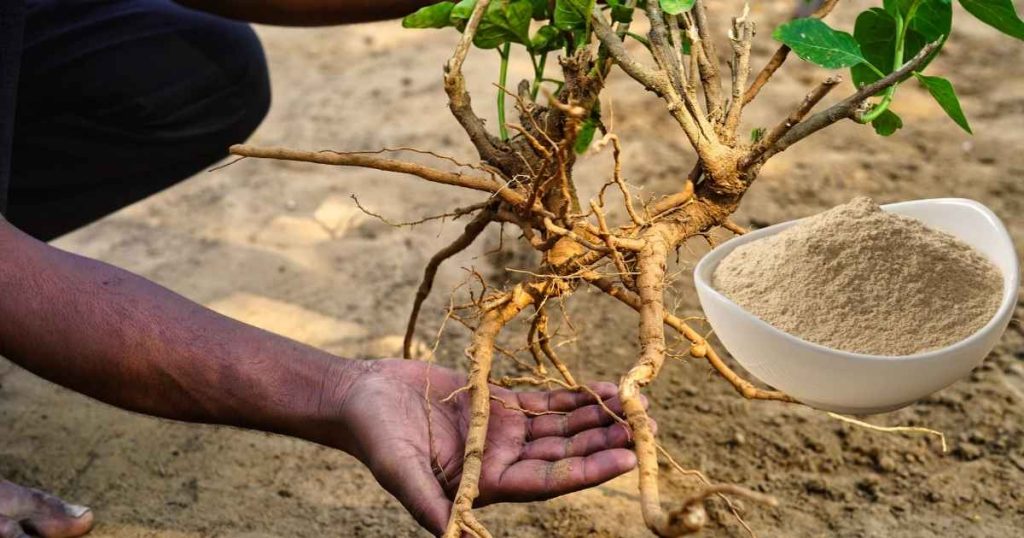
Ashwagandha, scientifically known as Withania somnifera, is an adaptogenic herb used in Ayurvedic medicine for over 3,000 years. Native to India, the Middle East, and parts of Africa, this plant belongs to the nightshade family. The root and occasionally the leaves are processed into powders, extracts, and supplements marketed for stress reduction, energy enhancement, cognitive support, and immune system benefits.
The primary active compounds in ashwagandha are withanolides, a group of naturally occurring steroids. Different ashwagandha products contain varying withanolide concentrations, ranging from 1-10 percent in standardized extracts. These compounds provide ashwagandha’s therapeutic effects but may also contribute to toxicity when products are contaminated, adulterated, or consumed at excessive doses.
Traditional Ayurvedic preparation methods differ significantly from modern supplement manufacturing. Traditional use involved careful preparation, combination with other herbs, and administration under practitioner guidance. Modern supplements concentrate active compounds to higher levels than traditional preparations, potentially increasing both benefits and risks. This concentration may explain why toxicity reports have emerged more frequently in recent years.
The Rise in Popularity and Safety Concerns
Ashwagandha sales have exploded globally as consumers seek natural stress management solutions. The COVID-19 pandemic accelerated this trend as anxiety and stress levels surged. Supplements containing ashwagandha now generate hundreds of millions in annual sales. However, this rapid growth has raised quality control concerns as manufacturers rush to meet demand.
Between 2020 and 2023, multiple case reports of ashwagandha-induced liver injury appeared in medical literature. Regulatory agencies in Iceland and Sweden issued warnings about hepatotoxicity risks. The LiverTox database, maintained by the National Institutes of Health, added ashwagandha as a supplement associated with clinically apparent liver injury. These developments have prompted serious safety evaluations.
The supplement industry’s limited regulation compounds safety concerns. Unlike pharmaceutical drugs, dietary supplements do not require pre-market safety approval from the FDA. Manufacturers are responsible for ensuring product safety, creating opportunities for contamination, adulteration, or quality failures. Understanding these risks is essential for safe ashwagandha use.
Ashwagandha and Liver Health: Analyzing the Evidence
Documented Cases of Hepatotoxicity
Multiple case reports document ashwagandha-induced liver injury ranging from mild enzyme elevations to acute liver failure requiring transplantation. A 2020 case series from Iceland described several patients developing elevated liver enzymes and symptoms including jaundice, fatigue, and abdominal pain after starting ashwagandha supplements. Liver function normalized after discontinuing the supplement.
More severe cases have been reported globally. A case from the Netherlands described a previously healthy woman who developed acute liver failure within weeks of starting ashwagandha for stress management. She required emergency liver transplantation. Causality assessment determined ashwagandha was the probable cause, as no other explanation for her liver failure could be identified.
The pattern emerging from case reports suggests idiosyncratic drug-induced liver injury, meaning only certain individuals experience toxicity while most users tolerate ashwagandha without problems. This unpredictable toxicity makes it impossible to identify who will experience liver damage before it occurs. Symptoms typically appear within 2-12 weeks of starting supplementation.
Clinical Trial Safety Data
Interestingly, clinical trials using standardized ashwagandha extracts generally report good safety profiles with minimal liver toxicity. A systematic review of randomized controlled trials found ashwagandha well-tolerated with adverse events comparable to placebo in most studies. Liver function tests in these trials typically showed no significant abnormalities.
However, clinical trials have important limitations. They typically run for 8-12 weeks, potentially missing toxicity that develops with longer use. Trials often exclude people with pre-existing liver conditions who may be most vulnerable. Sample sizes are usually too small to detect rare adverse events. Additionally, trials use specific standardized extracts that may differ from products causing toxicity in case reports.
The discrepancy between clinical trial safety and real-world toxicity reports likely reflects differences in product quality, dosing, duration, and individual susceptibility. Clinical trials use pharmaceutical-grade materials with rigorous quality control. Consumer products may contain contaminants, adulterants, or inconsistent active ingredient levels contributing to toxicity risk.
Mechanisms of Liver Toxicity
The exact mechanisms by which ashwagandha causes hepatotoxicity remain unclear. Proposed mechanisms include direct toxicity from withanolides or other compounds, immune-mediated liver injury where the immune system attacks liver cells, or metabolism of ashwagandha into toxic intermediates in genetically susceptible individuals.
Genetic variations in liver enzymes that metabolize plant compounds may explain why some people experience toxicity while others do not. Certain genetic polymorphisms affect how efficiently your liver processes xenobiotics, potentially allowing toxic metabolites to accumulate in susceptible individuals. This idiosyncratic toxicity pattern is seen with many herbal supplements.
Contamination with heavy metals, pesticides, or other adulterants may contribute to liver toxicity in some cases. Ashwagandha grown in contaminated soil can accumulate heavy metals like lead, arsenic, or cadmium. Adulteration with cheaper plants or synthetic compounds to increase apparent withanolide content could introduce hepatotoxic substances. Quality control failures represent preventable causes of toxicity.
Ashwagandha Effects on Renal Health and Kidney Function
Current Evidence on Kidney Safety
Evidence regarding ashwagandha’s effects on renal health is more limited compared to liver toxicity data. Few case reports specifically document ashwagandha-induced kidney injury. Some animal studies suggest potential nephroprotective effects, while others raise concerns about kidney stress at high doses. Human data remains insufficient for definitive conclusions.
A concern with ashwagandha and kidney function involves its traditional use as a diuretic in Ayurvedic medicine. Diuretic effects could theoretically stress kidneys, particularly in people with pre-existing renal impairment or those taking medications affecting kidney function. However, clinical trials have not documented significant kidney function changes in participants taking ashwagandha.
The greatest kidney-related risk likely comes from contamination rather than ashwagandha itself. Heavy metals like cadmium and lead, which can contaminate botanical supplements, cause cumulative kidney damage. Aristolochic acid, a potent kidney toxin, has been found in some herbal products due to plant misidentification or intentional adulteration. Ensuring product purity is crucial for renal safety.
Considerations for People with Kidney Disease
People with chronic kidney disease should approach ashwagandha with extreme caution. Impaired kidney function affects how your body eliminates substances, potentially allowing toxic metabolites to accumulate. Kidneys also play crucial roles in activating or detoxifying compounds, and disease may alter these processes unpredictably.
Additionally, people with kidney disease often take multiple medications that may interact with ashwagandha. The supplement could affect drug metabolism or kidney function in ways that alter medication effectiveness or safety. Any supplement use in the context of kidney disease requires nephrologist approval and careful monitoring.
Electrolyte imbalances are common in kidney disease, and ashwagandha’s potential effects on fluid balance and electrolytes could worsen these problems. Until more research specifically examines ashwagandha safety in people with renal impairment, conservative medical guidance suggests avoiding use in this population.
Who Should Avoid Ashwagandha?
People with Pre-Existing Liver Conditions
Anyone with pre-existing liver disease including hepatitis, cirrhosis, fatty liver disease, or history of liver problems should avoid ashwagandha entirely. Compromised liver function increases vulnerability to hepatotoxicity from supplements. Your liver may not metabolize or eliminate ashwagandha compounds effectively, allowing accumulation to toxic levels.
People taking medications known to affect liver function should also exercise extreme caution. This includes many common medications like acetaminophen, statins, some antibiotics, and antifungals. Combining liver-affecting medications with ashwagandha may increase hepatotoxicity risk through additive effects or drug-herb interactions.
Even people with mildly elevated liver enzymes on routine blood work should consult physicians before using ashwagandha. Subclinical liver dysfunction may not cause symptoms but still indicates vulnerability to additional liver stress. Regular alcohol consumption, which affects liver function, is another reason to avoid ashwagandha or use only under medical supervision.
Pregnant and Breastfeeding Women
Ashwagandha is contraindicated during pregnancy due to potential abortifacient effects. Animal studies suggest ashwagandha may cause miscarriage or developmental problems. Traditional Ayurvedic medicine contraindicated ashwagandha during pregnancy for these reasons. No human safety data exists, and the potential risks far outweigh any benefits.
Breastfeeding women should also avoid ashwagandha as safety data is completely lacking. Unknown whether ashwagandha compounds pass into breast milk or affect nursing infants. The conservative approach is avoidance during lactation. Women planning pregnancy should discontinue ashwagandha at least one month before attempting conception.
People with Autoimmune Conditions
Ashwagandha may stimulate immune system activity, potentially worsening autoimmune diseases where the immune system already attacks the body. Conditions including rheumatoid arthritis, lupus, multiple sclerosis, and inflammatory bowel disease could theoretically worsen with ashwagandha use.
People taking immunosuppressant medications for autoimmune conditions or organ transplants should avoid ashwagandha. The supplement may counteract immunosuppressive therapy, increasing rejection risk or disease activity. Some case reports suggest ashwagandha triggered autoimmune hepatitis, though causality remains uncertain.
Thyroid Conditions and Medication Interactions
Ashwagandha may increase thyroid hormone production, which could be problematic for people with hyperthyroidism or those taking thyroid medications. Studies show ashwagandha can elevate T3 and T4 levels, potentially causing hyperthyroid symptoms or requiring thyroid medication dose adjustments.
Other significant medication interactions include sedatives, anti-anxiety medications, and antidepressants, as ashwagandha may enhance sedating effects. Blood pressure medications may have altered effectiveness. Diabetes medications may require dose adjustments as ashwagandha can lower blood sugar. Always inform healthcare providers about ashwagandha use before surgeries or medical procedures.
Understanding Standardized Extracts and Quality Control
What Standardized Extract Means
Standardized extracts contain guaranteed minimum amounts of specific active compounds, ensuring consistency between batches. Ashwagandha extracts are typically standardized to withanolide content, commonly 2.5 percent, 5 percent, or 10 percent. This standardization allows predictable dosing and helps ensure products match those used in clinical research.
However, standardization alone does not guarantee safety or quality. A product can be standardized to withanolides while still containing contaminants, heavy metals, or adulterants. Standardization only addresses one aspect of quality control. Comprehensive testing for purity, identity, and absence of contaminants is equally important.
Reputable manufacturers use patented standardized extracts like KSM-66 or Sensoril which have been used in clinical trials and undergo rigorous quality testing. These branded ingredients provide more assurance than generic ashwagandha powders or extracts. Products listing only ashwagandha root without standardization information may contain highly variable and unpredictable amounts of active compounds.
Third-Party Testing and Certifications
Third-party testing by independent laboratories provides crucial verification that products match label claims and are free from contaminants. Organizations like NSF International, USP, and ConsumerLab test supplements for identity, potency, purity, and absence of harmful substances including heavy metals, pesticides, and microbial contamination.
Products with third-party certification seals on labels have passed rigorous testing. This verification is especially important for botanical supplements prone to adulteration and contamination. While third-party testing increases costs, it provides essential quality assurance worth paying for when considering liver and kidney toxicity risks.
Look for specific certifications rather than vague quality claims. Statements like pharmaceutical grade or highest quality mean nothing without third-party verification. Companies making these claims without providing certification details should raise red flags about quality control practices.
How to Read a Certificate of Analysis (CoA)
What Is a Certificate of Analysis?
A Certificate of Analysis is a document from testing laboratories confirming a product meets specifications for identity, purity, strength, and composition. Reputable supplement manufacturers obtain CoAs from third-party laboratories for each production batch. These documents should be available to consumers upon request.
CoAs typically include information about the product tested, batch or lot number, testing date, laboratory performing tests, methods used, specifications, and actual test results. They show whether products passed or failed each test category. Learning to interpret CoAs empowers you to verify product quality rather than relying solely on manufacturer claims.
Critical Tests to Look For in Ashwagandha CoAs
Heavy metal testing is crucial for ashwagandha safety. CoAs should report levels of lead, arsenic, cadmium, and mercury. Safe limits are lead below 0.5 ppm, arsenic below 0.2 ppm, cadmium below 0.3 ppm, and mercury below 0.1 ppm. Products exceeding these levels pose toxicity risks to liver and kidneys with cumulative exposure.
Microbial contamination testing confirms absence of harmful bacteria, yeast, and mold. Total plate count should be below 10,000 CFU per gram. Yeast and mold counts should be below 1,000 CFU per gram. E. coli and Salmonella should be absent. High microbial counts indicate poor manufacturing practices and potential health risks.
Pesticide residue testing verifies absence of agricultural chemicals. While no universal limits exist for all pesticides, levels should comply with regulatory standards. Products grown organically should have minimal or no pesticide residues. Identity testing confirms the botanical species is actually Withania somnifera rather than substituted or adulterated material.
Red Flags in Certificates of Analysis
Be suspicious of CoAs that only test for active ingredients without addressing contaminants. A CoA showing 5 percent withanolides means nothing if heavy metals were not tested. Incomplete testing suggests manufacturers may be hiding contamination problems.
Outdated CoAs are another red flag. Testing from years ago does not reflect current product quality. Each batch should have its own CoA. Companies providing only one generic CoA for all batches are not conducting proper quality control. The batch number on the CoA should match the batch number on your product bottle.
Illegible, unprofessional, or altered-looking CoAs suggest fabrication. Legitimate testing laboratories produce clear, professional documents with their contact information and accreditations listed. Be wary of CoAs that look homemade or lack laboratory details allowing verification. If something seems off about a CoA, it probably is.
How to Obtain Certificates of Analysis
Reputable supplement companies provide CoAs on their websites, often organized by batch number. Others supply them upon customer request via email. Before purchasing ashwagandha, check whether the company makes CoAs readily available. Resistance to providing testing documentation suggests quality concerns.
When requesting CoAs, provide the specific batch or lot number from your product bottle. Companies should respond within a few days with the relevant CoA. Failure to provide documentation or long delays may indicate the company does not actually conduct batch testing.
Some companies post CoAs for their branded ingredient suppliers rather than their finished products. While supplier CoAs provide some assurance, finished product testing is more valuable as it confirms quality was maintained through manufacturing. The best companies test both raw materials and finished products.
Safe Ashwagandha Use: Dosing and Monitoring
Evidence-Based Dosing Guidelines
Clinical trials typically use 300-600 mg of standardized ashwagandha extract daily, divided into two doses. This dosing range has demonstrated benefits for stress, anxiety, and sleep in research studies. Higher doses up to 1,000-1,250 mg daily have been used in some trials without major safety issues, but the optimal risk-benefit ratio likely lies in the 300-600 mg range.
Start with lower doses around 300 mg daily and assess tolerance before increasing. Take ashwagandha with food to minimize digestive side effects. Divide daily doses into morning and evening rather than taking all at once. Cycling use, such as 8 weeks on followed by 2 weeks off, may reduce long-term toxicity risks though no data specifically supports this strategy.
Avoid exceeding recommended doses thinking more is better. Higher doses increase toxicity risk without necessarily providing additional benefits. Megadosing ashwagandha for extended periods has no evidence supporting safety or effectiveness. Follow product label instructions and do not combine multiple ashwagandha products without accounting for total daily intake.
Monitoring for Signs of Liver or Kidney Problems
Anyone using ashwagandha should remain vigilant for symptoms suggesting liver toxicity. Warning signs include unusual fatigue, loss of appetite, nausea, jaundice (yellowing of skin or eyes), dark urine, pale stools, abdominal pain particularly in the upper right area, and unexplained itching. These symptoms warrant immediately discontinuing ashwagandha and seeking medical evaluation.
Consider baseline liver function tests before starting ashwagandha if you plan long-term use. Repeat testing after 4-8 weeks can detect early liver enzyme elevations before symptoms appear. While this monitoring is not standard practice, it provides extra safety assurance given emerging hepatotoxicity concerns.
Kidney-related warning signs include changes in urination frequency or volume, swelling in feet or ankles, unexplained fatigue, and difficulty concentrating. While ashwagandha-specific kidney toxicity appears rare, contaminated products could affect renal function. Report any concerning symptoms to healthcare providers and mention ashwagandha use.
Alternatives to Ashwagandha for Stress Management
If ashwagandha seems too risky given liver and kidney concerns, numerous alternatives support stress management and adaptogenic function. Rhodiola rosea is another well-studied adaptogen with good safety profiles. L-theanine from green tea provides calming effects without sedation. Magnesium supports stress response and has excellent safety records.
Non-supplement approaches like meditation, exercise, adequate sleep, and cognitive behavioral therapy provide proven stress reduction without any supplement risks. These lifestyle strategies address stress root causes rather than just symptoms. For clinical anxiety disorders, working with mental health professionals ensures appropriate treatment.
If you decide ashwagandha benefits outweigh risks for your situation, choosing the highest quality products with third-party testing and monitoring for adverse effects minimizes potential harm. Never use supplements as substitutes for medical treatment of diagnosed health conditions without physician guidance.
Final Thoughts
Ashwagandha offers potential benefits for stress, anxiety, and overall wellness, but emerging evidence of hepatotoxicity and potential renal health concerns demands careful consideration before use. While clinical trials generally show good safety with standardized extracts, real-world case reports document serious liver injury including cases requiring transplantation. This idiosyncratic toxicity means some individuals experience severe reactions while most tolerate ashwagandha without problems.
People with pre-existing liver conditions, kidney disease, autoimmune disorders, thyroid problems, or who are pregnant should avoid ashwagandha entirely. Those taking multiple medications or with any chronic health conditions should consult healthcare providers before starting this supplement. Quality control is crucial, with standardized extracts from reputable manufacturers providing more safety assurance than generic products.
Learning to read Certificates of Analysis empowers you to verify products are tested for heavy metals, pesticides, and microbial contamination that could contribute to toxicity. Demand transparency from manufacturers and avoid products without readily available third-party testing documentation. If using ashwagandha, start with low doses, monitor for warning symptoms, and discontinue immediately if any signs of liver or kidney problems develop. Your health and safety should always take precedence over any supplement’s potential benefits.













 English