Losing weight naturally without relying on extreme diets, pills, or quick fixes is not only healthier but also more sustainable in the long run. The key to successful weight loss lies in making gradual lifestyle changes that you can maintain for life rather than following restrictive diets that inevitably fail. Science-backed natural methods work with your body’s biology rather than against it, creating lasting results without the rebound weight gain that plagues most dieters. This comprehensive guide presents the top 10 most effective natural weight loss strategies that deliver real, sustainable results when implemented consistently.
1. Prioritize Whole, Unprocessed Foods
Why Whole Foods Transform Weight Loss
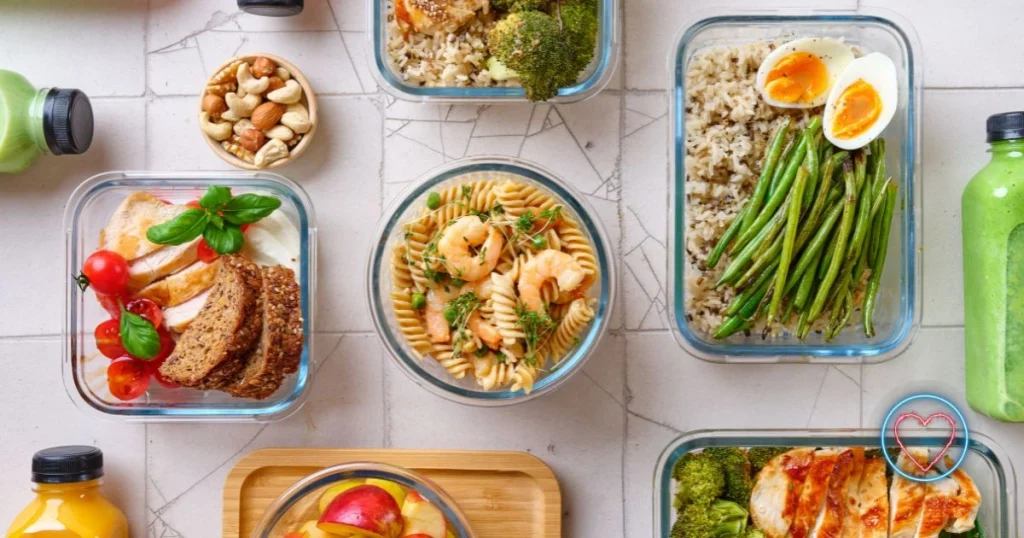
Eating whole, unprocessed foods is the single most powerful dietary change you can make for natural weight loss. Whole foods include vegetables, fruits, whole grains, legumes, nuts, seeds, lean meats, fish, and eggs in their natural state or minimally processed. These foods are nutrient-dense, meaning they provide maximum nutrition with fewer calories compared to processed alternatives.
Whole foods keep you satisfied longer because they contain fiber, protein, and healthy fats that slow digestion and stabilize blood sugar. When you eat processed foods, your body digests them quickly, causing blood sugar spikes followed by crashes that trigger hunger and cravings. Whole foods prevent this roller coaster by providing steady energy throughout the day.
Additionally, whole foods require more energy to digest than processed foods, slightly increasing calorie burn through what scientists call the thermic effect of food. Processing removes this natural calorie-burning advantage. Studies consistently show people who eat primarily whole foods weigh less and find weight management easier than those eating heavily processed diets, even when consuming similar calorie amounts.
How to Implement This Strategy
Start by filling half your plate with vegetables at every meal. Choose colorful varieties to maximize nutrient intake. Add a quarter plate of lean protein like chicken, fish, beans, or tofu. Fill the remaining quarter with whole grains like brown rice, quinoa, or sweet potato. This simple plate method ensures balanced nutrition without counting calories.
Shop the perimeter of grocery stores where whole foods are typically located. Avoid center aisles filled with processed items. Read ingredient labels and choose products with five ingredients or fewer, all of which you recognize and can pronounce. Cook at home more often, giving you complete control over ingredients and preparation methods. Batch cook on weekends to ensure healthy options remain available during busy weekdays.
2. Practice Mindful and Intuitive Eating
Understanding Mindful Eating
Mindful eating means paying full attention to the eating experience without distractions. It involves noticing hunger and fullness cues, savoring flavors and textures, and eating slowly enough to recognize satiety before overeating. Most people eat mindlessly while watching TV, scrolling phones, or working, consuming far more than their body needs without even enjoying the food.
Your body sends satiety signals about 20 minutes after you start eating. When you eat quickly or while distracted, you miss these signals and continue eating past fullness. Mindful eating allows you to hear what your body is telling you. You learn to distinguish between physical hunger and emotional eating, stopping when satisfied rather than stuffed.
Research shows mindful eating reduces overeating, decreases binge eating, and promotes weight loss without restrictive dieting. People who eat mindfully naturally consume fewer calories because they stop when full rather than eating everything on their plate regardless of hunger. This approach creates sustainable habits rather than temporary restriction.
Practical Mindful Eating Techniques
Eliminate distractions during meals by turning off screens and putting away phones. Sit at a table rather than eating standing up or in your car. Before eating, take three deep breaths to center yourself. Assess your hunger level on a scale of 1-10 before starting. Aim to eat when moderately hungry around 3-4 rather than waiting until ravenous at 1-2.
Chew each bite thoroughly, aiming for 20-30 chews before swallowing. Put your fork down between bites. Notice flavors, textures, and aromas. Halfway through your meal, pause and reassess hunger. Are you still physically hungry or eating from habit? Stop when you reach comfortable fullness around 6-7 on the hunger scale, even if food remains on your plate.
3. Increase Protein Intake at Every Meal
Why Protein Is Essential for Weight Loss
Protein is the most satiating macronutrient, keeping you fuller longer than carbohydrates or fats. When you eat adequate protein, you naturally eat less throughout the day without feeling deprived. Protein also requires more energy to digest than other macronutrients, burning approximately 20-30 percent of its calories during digestion compared to 5-10 percent for carbs and 0-3 percent for fats.
Perhaps most importantly, protein helps preserve lean muscle mass during weight loss. When you lose weight, you inevitably lose some muscle along with fat. Higher protein intake minimizes muscle loss, ensuring you lose primarily fat. Maintaining muscle is crucial because muscle tissue burns more calories at rest than fat tissue, keeping your metabolism higher.
Studies show people who increase protein intake to 25-30 percent of total calories lose more weight and maintain losses better than those eating lower protein amounts. Higher protein diets also reduce cravings by up to 60 percent and decrease late-night snacking urges significantly. These effects occur through protein’s influence on hunger hormones including ghrelin and peptide YY.
Best Protein Sources and Portions
Aim for 20-30 grams of protein at each meal to maximize satiety and muscle preservation. Excellent protein sources include chicken breast, turkey, lean beef, pork tenderloin, fish, eggs, Greek yogurt, cottage cheese, tofu, tempeh, legumes, and protein powder. Include protein at breakfast, which many people skip, to reduce hunger throughout the day.
A palm-sized portion of meat or fish provides approximately 20-25 grams of protein. Three eggs deliver about 18 grams. One cup of Greek yogurt contains 15-20 grams. Two tablespoons of peanut butter provide 8 grams. Combine plant proteins like beans and rice to create complete amino acid profiles. Distribute protein evenly across meals rather than consuming most at dinner.
4. Stay Properly Hydrated Throughout the Day
How Water Promotes Weight Loss
Drinking adequate water supports weight loss through multiple mechanisms. Water temporarily boosts metabolism by 24-30 percent for about an hour after drinking, helping you burn slightly more calories. Drinking water before meals reduces calorie intake by creating a sense of fullness. Many people confuse thirst with hunger, eating when their body actually needs hydration.
Water contains zero calories yet helps fill your stomach, reducing room for calorie-dense foods and beverages. Replacing sugary drinks with water eliminates hundreds of empty calories daily without creating feelings of deprivation. People who drink primarily water consume significantly fewer calories than those drinking juice, soda, or other sweetened beverages regularly.
Proper hydration also supports exercise performance, allowing you to work out harder and longer. Even mild dehydration decreases physical performance and makes exercise feel more difficult. Water aids digestion, helps flush waste from your body, and supports every cellular function including fat metabolism.
Optimal Hydration Strategies
Drink 16 ounces of water upon waking to rehydrate after hours without fluid. Aim for at least 8-10 glasses daily, more if you exercise or live in hot climates. Drink 16 ounces of water 30 minutes before each meal to reduce appetite and calorie intake. Carry a reusable water bottle everywhere as a constant reminder to drink.
Your urine color indicates hydration status. Pale yellow suggests good hydration while dark yellow indicates you need more water. Set phone reminders to drink if you forget throughout the day. Add lemon, cucumber, or mint to water for flavor without calories. Drink water instead of juice, soda, sweetened coffee drinks, or alcohol whenever possible.
5. Incorporate Regular Strength Training
Why Muscle Matters for Fat Loss
Strength training builds lean muscle mass that burns calories 24/7, even while you sleep. Muscle tissue is metabolically active, requiring energy for maintenance. The more muscle you have, the higher your resting metabolic rate. This means you burn more calories doing nothing, making weight maintenance easier long-term.
Strength training also creates an afterburn effect called excess post-exercise oxygen consumption. Your body continues burning elevated calories for hours after strength workouts as it repairs muscle tissue. Additionally, building muscle improves body composition even if the scale doesn’t change dramatically. You can lose fat and gain muscle simultaneously, looking leaner and more toned while weighing nearly the same.
Many people, especially women, fear strength training will make them bulky. This is a myth. Building significant muscle requires years of dedicated training and specific nutrition. For most people, strength training creates a lean, toned appearance by reducing body fat percentage while slightly increasing muscle. The result is a smaller, firmer physique.
Effective Strength Training Approach
Strength train 2-4 times weekly, allowing rest days between sessions for muscle recovery. Focus on compound exercises that work multiple muscle groups simultaneously including squats, deadlifts, lunges, push-ups, rows, and overhead presses. These exercises burn more calories and build functional strength more efficiently than isolation exercises.
Start with bodyweight exercises if new to strength training. Progress to dumbbells, resistance bands, or gym machines as you build strength. Aim for 8-12 repetitions per set, completing 2-3 sets of each exercise. Choose weights challenging enough that the last few reps feel difficult. Gradually increase weight or resistance as exercises become easier to continue building muscle.
6. Get Adequate Quality Sleep
The Sleep-Weight Connection
Sleep profoundly affects weight regulation through multiple hormonal pathways. Poor sleep disrupts hormones controlling hunger and fullness. Sleep deprivation increases ghrelin, the hunger hormone, while decreasing leptin, the satiety hormone. This combination makes you hungrier while reducing the satisfaction you get from eating, a perfect recipe for weight gain.
Lack of sleep also increases cortisol, the stress hormone that promotes fat storage, particularly around your midsection. Sleep-deprived people crave high-calorie, high-carbohydrate foods more intensely and have reduced willpower to resist these cravings. Studies show people who sleep less than 7 hours nightly are significantly more likely to be overweight or obese.
Additionally, inadequate sleep reduces energy for exercise and daily movement. When tired, you naturally move less, burn fewer calories, and skip workouts. Poor sleep also impairs decision-making, making you more likely to choose unhealthy foods. Getting sufficient quality sleep supports all other weight loss efforts by optimizing hormones, energy, and willpower.
Improving Sleep for Weight Loss
Aim for 7-9 hours of sleep nightly by establishing consistent sleep and wake times, even on weekends. Create a relaxing bedtime routine starting 30-60 minutes before bed. This might include reading, gentle stretching, meditation, or a warm bath. Avoid screens for at least one hour before bed as blue light suppresses melatonin production.
Keep your bedroom cool, dark, and quiet. Use blackout curtains and consider white noise machines if needed. Avoid caffeine after 2 PM and limit alcohol, which disrupts sleep quality despite making you drowsy initially. Don’t eat large meals within 3 hours of bedtime. If you struggle with sleep despite these measures, consult a healthcare provider as sleep disorders may require specific treatment.
7. Manage Stress Effectively
How Stress Sabotages Weight Loss
Chronic stress triggers a cascade of hormonal changes that promote weight gain and prevent weight loss. Stress elevates cortisol, which increases appetite, particularly for sugary and fatty comfort foods. High cortisol also promotes fat storage, especially visceral fat around your organs that increases disease risk.
Stress eating or emotional eating leads to consuming calories beyond physical need. Many people use food to cope with stress, anxiety, boredom, or negative emotions. This creates a problematic relationship with food where eating serves emotional rather than nutritional purposes. Stress also disrupts sleep, reduces motivation for exercise, and depletes willpower for healthy choices.
Furthermore, stress triggers inflammation throughout your body, which interferes with metabolism and hormone signaling. Chronic inflammation makes cells resistant to insulin and leptin, disrupting blood sugar control and satiety signals. Managing stress is not optional for successful weight loss but rather an essential component.
Effective Stress Management Techniques
Practice daily stress-reduction activities for at least 10-15 minutes. Meditation, deep breathing exercises, or yoga effectively lower cortisol levels. Even brief sessions provide benefits when done consistently. Physical activity serves double duty by burning calories while reducing stress hormones.
Spend time in nature, which naturally reduces stress and promotes calm. Maintain social connections and talk through problems rather than bottling emotions. Pursue hobbies and activities you enjoy that have nothing to do with weight loss. Set boundaries around work and obligations to prevent burnout. If stress feels overwhelming or interferes with daily life, seek professional help from a therapist or counselor.
8. Increase Daily Movement and NEAT
Understanding NEAT
NEAT stands for Non-Exercise Activity Thermogenesis, which is all the movement you do outside of formal exercise. This includes walking to your car, climbing stairs, fidgeting, housework, yard work, and standing rather than sitting. NEAT can burn hundreds of calories daily, sometimes exceeding the calories burned during structured exercise.
Modern lifestyles have dramatically reduced NEAT compared to previous generations. We sit in cars instead of walking, use elevators instead of stairs, and spend hours sitting at desks or on couches. This reduction in daily movement significantly contributes to weight gain despite eating similarly to more active ancestors.
The beauty of NEAT is that small changes accumulate into significant calorie burn over time. Moving just 10 minutes extra per hour throughout the day burns far more calories than 30 minutes of exercise followed by hours of sitting. Lean people typically have higher NEAT than overweight people, often burning 300-500 more calories daily through unconscious movement.
Ways to Increase Daily Movement
Take the stairs instead of elevators whenever possible. Park farther from entrances rather than circling for the closest spot. Stand while talking on the phone or during TV commercials. Set a timer to stand and move for 5 minutes every hour if you have a desk job. Walk to nearby destinations instead of driving.
Pace while waiting rather than sitting. Do household chores energetically. Play actively with children or pets. Garden, do yard work, or pursue active hobbies. Use a standing desk or treadmill desk if possible. Track steps with a fitness tracker, aiming for at least 10,000 daily. Every bit of movement counts and accumulates throughout the day.
9. Practice Intermittent Fasting
What Is Intermittent Fasting?
Intermittent fasting involves cycling between periods of eating and fasting. Unlike traditional diets that focus on what you eat, intermittent fasting focuses on when you eat. The most popular approaches include 16:8 (fasting 16 hours, eating during an 8-hour window), 5:2 (eating normally 5 days, restricting calories 2 days), and alternate-day fasting.
Intermittent fasting works for weight loss primarily by reducing overall calorie intake. When you limit eating to a shorter window, you naturally consume fewer calories without consciously restricting. Fasting periods also shift your body into fat-burning mode as insulin levels drop and growth hormone increases. These hormonal changes promote fat breakdown while preserving muscle.
Research shows intermittent fasting can produce weight loss comparable to traditional calorie restriction but may be easier to maintain for some people. Fasting also provides metabolic benefits beyond weight loss including improved insulin sensitivity, reduced inflammation, and enhanced cellular repair processes called autophagy.
Implementing Intermittent Fasting Safely
Start with the 16:8 method as the most sustainable approach. Skip breakfast and eat your first meal at noon, finishing dinner by 8 PM. This gives you a 16-hour fast overnight, which many people find relatively easy. During fasting windows, drink water, black coffee, or plain tea. Avoid all calories including cream, sugar, or artificial sweeteners that might trigger hunger.
During eating windows, focus on nutritious whole foods rather than bingeing on junk. Intermittent fasting is not a license to eat unlimited calories during eating periods. Listen to hunger cues and eat until satisfied. Some people experience initial hunger, headaches, or irritability that typically improve within 1-2 weeks as the body adapts. Intermittent fasting is not appropriate for everyone, particularly pregnant women, children, or those with certain medical conditions.
10. Control Portion Sizes Naturally
Why Portion Control Matters
Even healthy foods cause weight gain when eaten in excessive amounts. Portion sizes have increased dramatically over recent decades, normalizing oversized servings that provide far more calories than your body needs. Restaurant portions often contain enough food for 2-3 people, yet we habitually clean our plates regardless of hunger.
Your stomach is approximately the size of your fist when empty but can stretch significantly. Consistently eating large portions stretches your stomach, requiring more food to feel full. Over time, this creates a cycle where you need increasingly larger amounts to feel satisfied. Reducing portions gradually allows your stomach to shrink back to normal size, making smaller meals satisfying again.
Portion control doesn’t mean weighing and measuring every bite, which is unsustainable long-term. Instead, using simple visual cues and environmental changes makes appropriate portions automatic without constant vigilance. These strategies work with human psychology rather than requiring endless willpower.
Simple Portion Control Strategies
Use smaller plates, bowls, and utensils. This visual trick makes portions appear larger, satisfying your brain while reducing actual intake. A full small plate feels more satisfying than a half-full large plate despite containing less food. Serve meals on 9-inch plates instead of 12-inch plates to naturally reduce portions by 20-30 percent.
Follow the hand portion method: protein portions should equal your palm size, carbohydrates should fit in your cupped hand, fats should be thumb-sized, and vegetables can fill both hands. This provides appropriate portions without measuring. Don’t eat directly from packages or large serving bowls. Portion food onto a plate first so you can see exactly how much you are eating.
Start meals with vegetables or salad to partially fill your stomach with low-calorie, nutrient-dense foods. This leaves less room for calorie-dense items. Drink water before and during meals. Wait 20 minutes before getting seconds to allow satiety signals to register. Store leftovers immediately after plating your portion to avoid mindless seconds.
Creating Your Natural Weight Loss Plan
Success comes from implementing these strategies consistently over time rather than perfecting all ten immediately. Start by choosing 2-3 methods that seem most manageable and focus on building those habits for several weeks. Once these become automatic, add another strategy. This gradual approach prevents overwhelm and creates lasting change.
Track your progress through multiple metrics beyond the scale. Take measurements, progress photos, and notice how clothes fit. Pay attention to energy levels, sleep quality, and overall wellbeing. The scale doesn’t tell the whole story and can be misleading when you are building muscle while losing fat.
Expect weight loss of 1-2 pounds weekly on average. Some weeks you will lose more, some less, and occasionally the scale won’t budge despite perfect adherence. This is normal due to water retention fluctuations, hormonal changes, and other factors. Focus on consistent habits rather than daily scale fluctuations. Progress is never perfectly linear.
Be patient and compassionate with yourself. Sustainable weight loss takes time. You didn’t gain excess weight overnight, and you won’t lose it overnight either. Celebrate non-scale victories like increased energy, better sleep, improved fitness, and healthier habits. These improvements matter as much as pounds lost.
Common Obstacles and Solutions
Plateaus are normal and frustrating but temporary. If weight loss stalls for more than 3-4 weeks despite consistent habits, try adjusting one variable. Increase exercise intensity, reduce portions slightly, or add more protein. Sometimes your body needs time to adjust before resuming weight loss. Patience often works better than drastic changes.
Social situations and dining out challenge healthy eating. Plan ahead by checking restaurant menus online and deciding what to order before arrival. Don’t arrive ravenous. Eat a small healthy snack beforehand to prevent overeating. Share entrees, order appetizers as meals, or immediately box half for tomorrow before eating.
Emotional eating requires addressing underlying feelings rather than just changing food behaviors. Develop non-food coping strategies for stress, sadness, boredom, or anxiety. Call a friend, take a walk, practice deep breathing, or pursue a hobby. If emotional eating significantly impacts your life, consider working with a therapist specializing in eating behaviors.
Final Thoughts
Natural weight loss through sustainable lifestyle changes delivers lasting results that fad diets cannot match. These ten evidence-based strategies work with your body’s biology rather than forcing unnatural restrictions that inevitably fail. By prioritizing whole foods, mindful eating, adequate protein, hydration, strength training, quality sleep, stress management, daily movement, intermittent fasting, and portion control, you create a comprehensive approach addressing all aspects of healthy weight management.
Remember that the best approach is the one you can maintain long-term. You don’t need to implement every strategy perfectly. Choose methods that fit your lifestyle and preferences. Small consistent changes compound into significant results over time. Focus on progress rather than perfection, and view this journey as developing a healthier lifestyle rather than following a temporary diet.
Your body deserves nourishing food, joyful movement, restorative sleep, and stress management. When you provide these foundations, weight loss becomes a natural byproduct of overall health improvement. Be patient, stay consistent, and trust the process. The sustainable, healthy body you are working toward is worth the time and effort it takes to achieve naturally.
















 English